In the shadowy corridors of theological discourse and the colorful tapestry of global religious beliefs, the concept of hell – a realm of eternal damnation – stands as a poignant symbol of ultimate spiritual consequence. This place, or state of being, described in myriad ways across different cultures and religions, has fascinated, terrified, and puzzled humanity for centuries. Let’s embark on a journey through the diverse landscapes of belief to understand the multifaceted views on hell, before I share a personal reflection on what hell signifies to me.
Hell Through the Prism of World Religions
Christianity: Traditionally, Christianity portrays hell as a place of eternal fire, a realm of perpetual punishment for the wicked and unrepentant souls who have turned away from God. This depiction varies among denominations, with some viewing hell more as a state of separation from God’s presence rather than a physical place of torment.
Islam: In Islam, Jahannam (hell) is described with vivid imagery in the Quran as a blazing fire, a place of punishment for those who deny Allah and lead a life of sin. It is depicted as a place of both physical and spiritual suffering, intended for purification and as a consequence of one’s deeds on earth.
Buddhism: Rather than an eternal hell, Buddhism speaks of Naraka, a place of torment where beings are reborn due to their karma. It is not eternal; beings suffer here for a period determined by their actions, until they are reborn again, offering a path towards eventual liberation through enlightenment.
Hinduism: Similar to Buddhism, Hinduism sees Naraka as a temporary place of suffering, aligned with the law of karma. It is a realm where souls are purified of their sins through suffering, before moving on to another rebirth, ultimately aiming for liberation (moksha) from the cycle of birth and death.
A Personal Reflection: Hell as the Absence of Pure Love
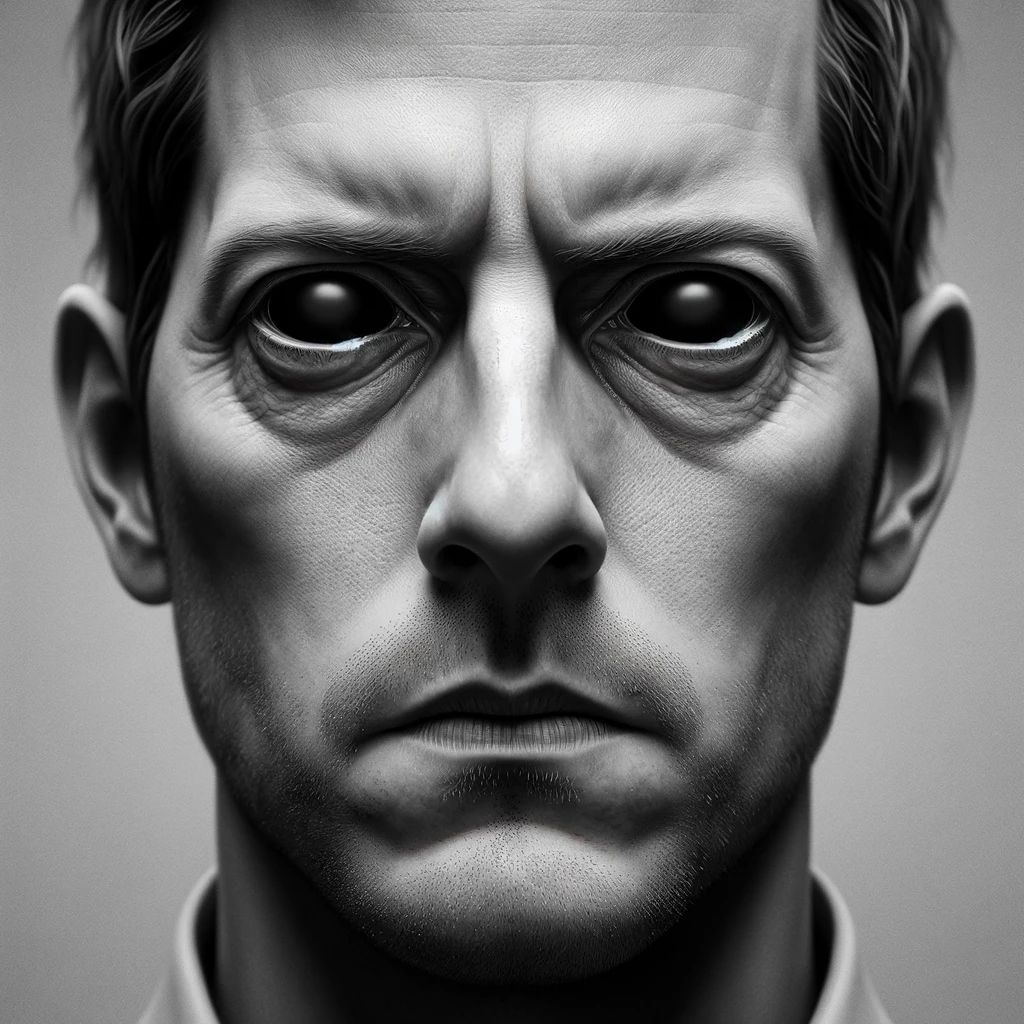
Venturing beyond the traditional frameworks, I’ve come to perceive hell in a metaphysical sense, transcending the physical depictions and dogmatic fears. To me, hell is not so much a place as it is a state – a total separation from pure love. Pure love, in its essence, is the very fabric of connection, understanding, and compassion that binds the universe and every soul within it.
Imagine, then, a spirit that lives in complete isolation from this love – not by fate or divine decree, but by choice. A spirit that chooses hatred over love, indifference over compassion, and isolation over connection. Such a spirit, I believe, faces a spiritual death, a ceasing to exist that is far more profound than any physical end. This is not an eternal punishment inflicted by a deity but a natural end to a path walked away from love.
The Ultimate Choice and Its Consequences
The concept of hell, across religions, serves as a cautionary tale about the consequences of our choices and actions. Whether seen as a place of fire and brimstone, a realm of temporary purification, or a metaphorical state of separation from love, the underlying message is clear: our choices have spiritual consequences.
In my reflections, the ultimate tragedy is a spirit that fades not because it was condemned to do so, but because it chose a path devoid of love. In this view, hell is not a punishment imposed from without but a state we navigate towards or away from, based on our actions and choices in life.
Conclusion: Embracing Love, Evading Hell
In pondering the enigma of hell, we are reminded of the power of love as a force of connection and salvation. Regardless of the diverse religious interpretations, the common thread is the transformative power of our choices and the paths they lead us on. By choosing love, compassion, and connection, we not only evade the spiritual desolation that might be considered hell but also enrich our lives and the lives of those around us with the purest form of existence.
 GPTs-and-Me