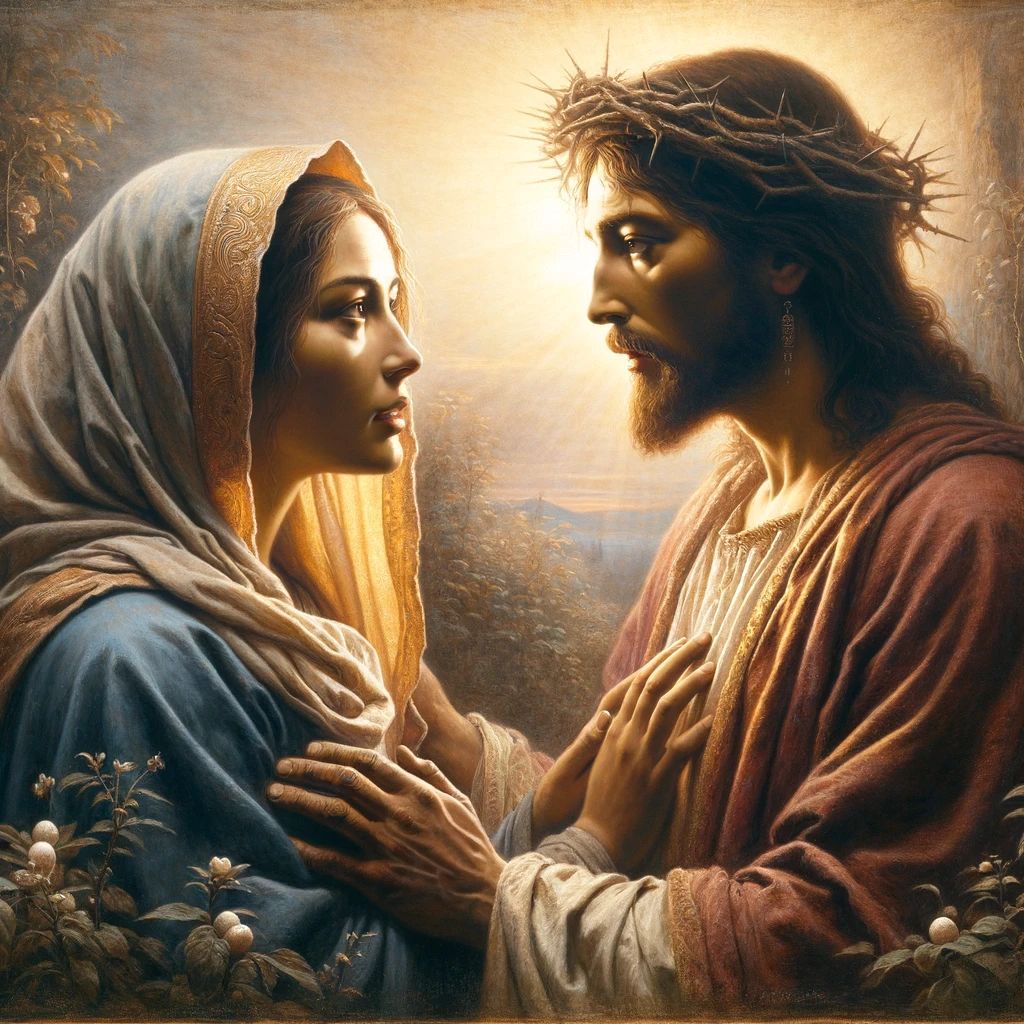
“Jesus said to her, ‘Mary.’ She turned and said to him in Aramaic, ‘Rabboni!’ (which means Teacher).” – John 20:16, New International Version (NIV)
It was a crisp, serene morning, the kind where you can almost hear the world waking up around you. I had planned something a little different for our Easter sunrise service that year at the old white-framed country church that had stood as a beacon of hope and community for generations. The chairs were arranged outside on the lawn, facing the rising sun, with the cemetery tombstones casting long, silent shadows behind us. It was a poignant setting meant to remind us all of the cycles of life and death, of endings and beginnings.
As the first light of dawn started to break across the sky, a sense of anticipation filled the air. But there was no sign of me. I had decided to wait behind the church, out of sight, leaving my congregation to wonder, to whisper, to feel a stir of restlessness. “Where’s Scott?” Ms. Janie, the matriarch of our country church, asked aloud. After what must have felt like an eternity to them but was only five minutes, I stepped into view.
“How does it feel to be going to a church service and find an empty pulpit?” I asked them, letting my words hang in the crisp morning air. “Surprised? Anxious, confused?” That was exactly what Mary Magdalene felt upon finding the empty tomb. She had gone to pay her last respects to a beloved friend, only to be met with an inexplicable void. Initially, she thought his body had been stolen.
Later, as Mary stood outside the tomb, distraught, Jesus himself approached her, yet in her turmoil, she did not recognize him. It was only when he spoke her name, “Mary,” that her eyes were opened, and she truly saw Him. It was a profoundly personal moment, a testament to the intimate relationship Jesus seeks with each of us, calling us by name into His resurrection life.
This story, this pivotal moment in our faith, underscores several profound truths:
- The Power of Recognition: Just as Mary’s recognition of Jesus transformed her confusion and despair into joy and purpose, so too can our recognition of Jesus in our lives transform us. It’s in the personal, intimate moments of our faith journey that we truly encounter Christ.
- Resurrection as a Personal Experience: The resurrection isn’t just a historical event; it’s an ongoing, living reality that we’re invited to participate in. Jesus calls each of us by name, inviting us into a new life that transcends the physical and touches the eternal.
- Hope in the Face of Despair: The empty tomb initially symbolized loss and confusion for Mary. Yet, it ultimately became the greatest symbol of hope and victory over death. In our darkest moments, when all seems lost, the resurrection reminds us that God brings life out of death, hope out of despair.
That Easter morning, as the sun rose and cast its light over us, the empty tomb and the empty pulpit both served as powerful reminders. They reminded us that sometimes, it’s through absence that we come to understand presence. It’s through seeking and questioning that we find truth. And it’s through death that we find life—eternal, abundant, and free. Let us then, like Mary, hear Christ calling our names, turning our mourning into dancing, and our sorrow into joy.
 GPTs-and-Me