In today’s political discussions, terms like meritocracy, oligarchy, fascism, and authoritarianism are often thrown around. But how many people truly understand what they mean and how they relate to each other? These are not just abstract political concepts—they represent different ways power can be structured in society. More importantly, they help us recognize patterns in our own government. To understand what’s happening with the current administration, we must first define these terms and then examine the larger picture they create.
What is Meritocracy?
A meritocracy is a system where power and rewards are based on individual talent, effort, and achievement. The idea is that the best and brightest should lead, whether in government, business, or academia. The American Dream is often rooted in this ideal—work hard, prove yourself, and you’ll succeed. However, in practice, a pure meritocracy is difficult to achieve. Those born into privilege often have access to better education, connections, and opportunities, making it easier for them to rise to the top, even when merit alone might not justify it.
What is Oligarchy?
An oligarchy is rule by a small, elite group of people—usually the wealthy or powerful. While an oligarchy can coexist with democracy on the surface, power remains concentrated in the hands of a few. In the U.S., corporate lobbying, campaign financing, and wealth inequality often tilt the system in favor of the elite. When power is inherited or controlled by a select group regardless of merit, an oligarchy undermines the principles of a meritocracy.
What is Fascism?
Fascism is an authoritarian political system that emphasizes extreme nationalism, centralized power, suppression of dissent, and often a strong connection between government and corporations. It thrives on division, scapegoating, and the idea that a strong leader must protect the nation from perceived enemies—whether they be immigrants, political opponents, or the press. Fascism is not just about policy; it’s about a mindset that prioritizes power, loyalty, and obedience over democracy and pluralism.
What is Authoritarianism?
Authoritarianism is a broader term describing any system where a leader or ruling party demands total obedience and limits individual freedoms. While fascism is a specific form of authoritarianism, not all authoritarian governments are fascist. Some are based on religion, some on military rule, and others on a single-party system. In an authoritarian system, dissent is dangerous, power is centralized, and elections—if they exist—are often manipulated.
How Do These Concepts Connect?
These systems are not mutually exclusive. In fact, they often overlap:
- A meritocracy can become an oligarchy if only a select few control access to education, wealth, and opportunity.
- An oligarchy can turn authoritarian if those in power seek to maintain control by suppressing opposition.
- An authoritarian government can become fascist when it fuses nationalism, corporate power, and suppression of dissent into an ideology of absolute control.
Historically, democracies that fail to check oligarchic tendencies often slide into authoritarianism, sometimes with a populist leader who promises to break the system but consolidates power instead.
Recognizing Patterns in the Current Administration
To evaluate what’s happening today, we must ask: Are we seeing meritocracy, where the best rise to leadership? Or are we witnessing oligarchy, where power is concentrated in the hands of the wealthy and well-connected? Are there authoritarian tendencies—attacks on the media, suppression of dissent, or power grabs? Is nationalism being weaponized in ways that resemble fascist movements of the past?
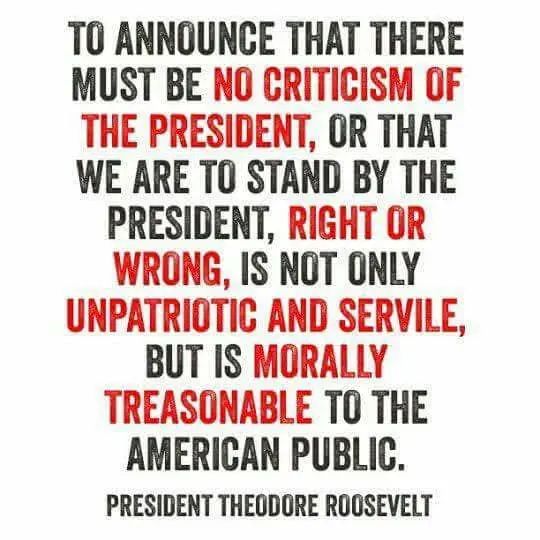
When political leaders dismiss elections they don’t win as fraudulent, when they threaten the press, when they undermine democratic institutions and scapegoat minorities, these are warning signs. If corporate and elite interests dictate policy while the average citizen struggles to be heard, democracy is at risk.
A Conscious Choice for the Future
Understanding these patterns is crucial because once a government tilts too far toward authoritarianism or oligarchy, reversing the trend becomes increasingly difficult. The real question Americans must ask is: Is this the type of government we want?
If the goal is true democracy, it requires active participation—voting, questioning leaders, demanding accountability, and ensuring that power is not concentrated in the hands of the few at the expense of the many. The future of the country is not determined by politicians alone; it’s shaped by the choices of its citizens.
The patterns are there for those willing to see them. The choice is ours.
 GPTs-and-Me