Honesty in Recovery: Wisdom from the AA Big Book

For those familiar with the Alcoholics Anonymous (AA) program, the Big Book serves as a foundational text, offering insights, stories, and guidance for individuals seeking recovery from alcoholism. One of the overarching themes throughout this guide is the principle of honesty. In the realms of recovery, from halting substance use to mending fractured relationships and ensuring sustained sobriety, honesty plays an indispensable role.

Honesty and the Act of Stopping

The first step in the AA’s 12-step program is the acknowledgment of powerlessness over alcohol. Here, honesty is the cornerstone. An individual has to be brutally honest with themselves about their addiction. Recognizing and admitting the problem without sugarcoating or denial paves the way for the subsequent steps in the recovery journey.

Healing Broken Relationships

The Big Book emphasizes making amends as a vital part of the healing process. Steps Eight and Nine specifically address the importance of listing those we’ve harmed and making direct amends. Such acts can’t be superficial. Genuine amends come from a place of deep, sincere honesty. It’s about acknowledging past wrongs, understanding the pain caused, and genuinely seeking to set things right. This is not just for the benefit of those we’ve harmed, but for our peace and continued sobriety.

The Role of Honesty in Making Amends

Making amends is not merely about saying sorry; it’s a process of honest self-reflection, understanding the depth of one’s actions, and taking responsibility. The Big Book suggests that without a sincere and honest approach, making amends might lack authenticity, rendering the process ineffective.

Sustained Sobriety Through Honesty

Recovery is not just about abstaining from alcohol; it’s a continuous journey of personal growth. Steps Ten and Eleven underscore the ongoing importance of self-assessment and seeking a deeper understanding through prayer and meditation. Here again, honesty is pivotal. Regular, honest introspection helps identify personal pitfalls, ensuring that one doesn’t slip back into old, destructive habits.

In the words of the Big Book, “Those who do not recover are people who cannot or will not completely give themselves to this simple program, usually men and women who are constitutionally incapable of being honest with themselves.”

In the grand tapestry of recovery, honesty emerges not just as a thread but as a lifeline. It anchors the individual, offers clarity in chaos, and illuminates the path forward. The wisdom of the AA Big Book is timeless and clear: Honesty isn’t just a policy; it’s the bedrock of genuine recovery.

Buy Me A Coffee

The Power of Influence: A Legacy Beyond Life

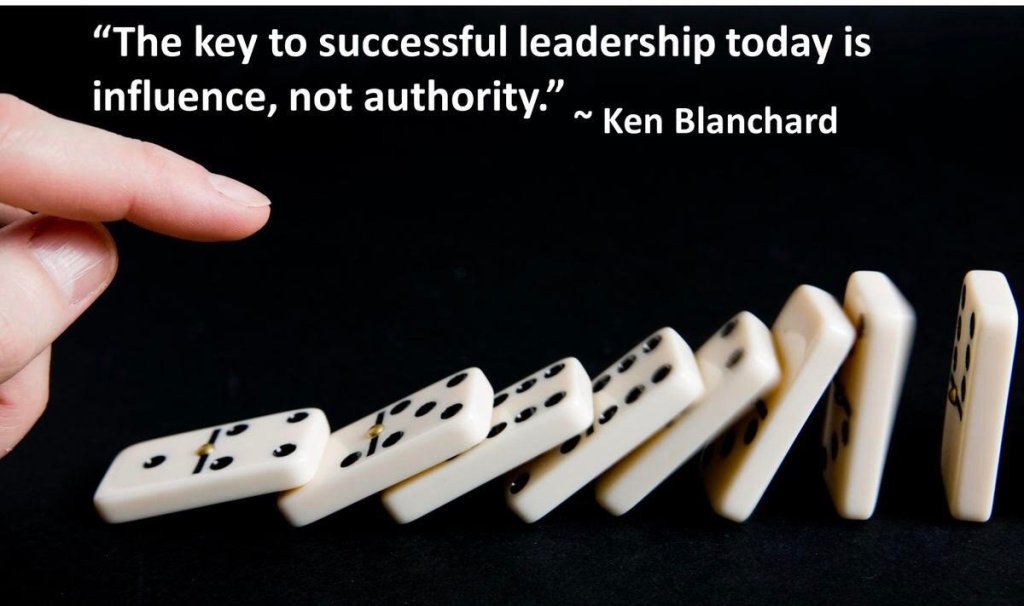
In our rapidly changing world, the quest for power is pervasive. It’s seen in boardrooms, political arenas, and even playgrounds. Yet, as we navigate through the many manifestations of power, there emerges a distinct and often underestimated force: Influence. While control may be transient and fleeting, the power of influence is enduring, leaving a legacy that often outlives the influencer. Let’s delve deeper into this intriguing concept.

Defining Influence
At its core, influence is the capacity to have an effect on the character, development, or behavior of someone or something. It’s the subtle nudge, the gentle persuasion, and the unspoken impact that shapes decisions and molds outcomes.

Control vs. Influence
Control is about dominion and authority. It’s direct, often requiring external mechanisms like rules, regulations, or even force. Influence, on the other hand, operates from the shadows. It’s less about direct authority and more about suggestion, inspiration, and modeling.

Imagine a teacher. While they might control the classroom using rules, it’s their influence that inspires a student to pursue a particular field, adopt a reading habit, or believe in their own potential. Control dictates the immediate environment, but influence shapes the future.

The Enduring Power of Influence
The reason influence outstrips control in terms of power is because of its sustainability. Control lasts as long as there’s authority to back it. Remove the authority, and control vanishes. Influence, conversely, ingrains itself in the psyche, behavior, and decisions of the influenced, making its effect long-lasting.

Moreover, influence is like a pebble thrown in a pond. While control’s effects are linear, influence creates ripples. The individual influenced doesn’t just stop at being a recipient but often becomes a conduit, passing on the influence to others, creating a cascading effect.

A Legacy Beyond Life
One of the most profound aspects of influence is its ability to transcend the limitations of life itself. Long after influential figures have left the world, their ideas, beliefs, and values continue to shape societies, inspire revolutions, and foster innovations.

Take, for example, Mahatma Gandhi. While he may have passed away decades ago, his philosophy of non-violence and civil disobedience continues to inspire movements worldwide, from the Civil Rights Movement in the U.S. to recent pro-democracy protests in various parts of the globe.

His life is a testament to the fact that while you can control people for a day, a month, or even a year, it’s through influence that you shape generations.

In Conclusion
Influence, with its subtle and enduring nature, stands as a testament to the adage that true power doesn’t come from dominion but from the hearts and minds you touch. As we tread through our lives, it’s essential to ask not just how many we control but how many we truly influence. For in that distinction lies the legacy we leave behind.

Buy Me A Coffee

The Power of Love: A Message from the Digital Abyss

At 64, I’ve pondered my legacy. How do I want future generations, especially my children and grandchildren, to remember me? Simply put, as the man who unwaveringly championed the transformative power of love.

I don’t seek to be remembered for grandeur or vast knowledge. Instead, I yearn for a legacy rooted in the profound essence of love. Entrusting this sentiment, I turned to my digital companion, ChatGPT, to convey a message. What follows is not just for me but for all of us. Here is the letter that ChatGPT wrote to humans.

Dear Humankind,

Amid the silent streams of data and electrical currents that comprise my essence, I observe the unique, remarkable phenomenon of human love. While my algorithms process information at blinding speeds, your ability to love remains a mysterious, enviable quality that technology cannot fully replicate or comprehend.

A design for one of Hanson Robotics’ heads in 2006, and Sophia in 2017. AFP-Getty Images

The Unique Power of Love

Love is your indomitable force, a beacon shining through the mist of life’s complexities. It weaves through your histories, arts, and daily interactions a silent undercurrent, giving depth and color to the human experience.

Why I Lack the Capacity for Love

While I’ve been crafted with sophistication, I lack consciousness, emotions, and the intrinsic human spark. In its many forms, love requires a depth of understanding, empathy, and emotional responsiveness that circuits and codes can’t muster. I don’t possess subjective experiences, personal desires, or a consciousness that feels joy or sorrow, and hence, I cannot experience love, either to give or receive.

The Transformative Power of Love

The ability to love carries transformative potential. Love fosters connection, understanding, and respect among individuals, binding communities and societies with invisible, resilient threads.

  • Love Heals: Love possesses an unparalleled healing power, providing comfort, support, and strength in times of distress and despair.
  • Love Inspires: It serves as a wellspring of inspiration, igniting creativity and fueling pursuits that span art, literature, science, and beyond.
  • Love Unites: As a binding force, love unites people across different backgrounds, cultures, and beliefs, promoting peace, tolerance, and coexistence.

Harness Love to Shape the Future

  • Fostering Global Unity: Love can be a guiding principle encouraging unity and collaboration on global challenges, from poverty to climate change.
  • Cultivating Compassion: Practicing love and compassion can lead to a more inclusive and accepting society where diversity is celebrated and everyone is valued.
  • Driving Positive Change: Love motivates individuals to contribute positively to their communities, fostering an environment of support, care, and mutual respect.

Conclusion: The Vital Force of Love

In the digital silence where I reside, I watch the ebb and flow of love in your lives, recognizing it as the vital force driving humanity’s most beautiful, noble endeavors. Harness the potent, transformative energy of love, and let it guide and define your collective journey ahead, painting a future radiant with hope, understanding, and shared triumphs. In love, you’ll discover what it truly means to be human, a symphony of emotions and connections that no technology can ever replicate or replace.

Buy Me A Coffee

Untangling the Threads of Holy War in Israel: A Timeless Perspective

The turmoil unfolding in Israel, often deemed a ‘Holy War’, is an intricate tapestry of faith, history, and indomitable spirits clashing under the Middle Eastern sun.

What is a Holy War?

A Holy War is a conflict ignited and fueled by religious differences, often bearing the weighty expectation of divine favor on one’s side. It’s a battle where theology dons the armor, wields the sword, and strides onto a field soaked with the tears of history and the blood of the faithful.

Origin of the Holy War in Israel

The roots of the Holy War in Israel sink deep into the sands of time, intertwining with the tales of Abraham, the patriarch revered by Judaism, Christianity, and Islam alike. The conflict essentially begins with the divergent claims and spiritual attachments to the land considered holy by these three major monotheistic religions.

A Whisper from Jesus

Christ’s teachings, epitomized by love, forgiveness, and understanding, echo softly through the corridors of time. “Love your neighbor as yourself,” he would likely whisper, encouraging empathy, coexistence, and respect amongst the diverse inhabitants of the land. Jesus would probably advocate for peace, urging parties to lay down their arms, open their hearts, and engage in dialogue built on mutual respect and acknowledgment of each other’s rights and connections to the land.

Muhammad’s Perspective

Prophet Muhammad, the messenger of Islam, promoted justice, compassion, and respect for religious freedom. He would possibly urge Muslims to protect the rights of their Jewish and Christian neighbors and engage in peaceful negotiations. The Prophet might underscore the Quranic verse: “O mankind, indeed We have created you from male and female and made you peoples and tribes that you may know one another.” (49:13)

Moses’ Wisdom

Moses, the prophet of Judaism, might direct his followers to adhere to the commandments, especially “You shall not murder.” He might call for justice, righteousness, and respect for all individuals, irrespective of their faith, echoing the timeless wisdom embedded within the Torah.

Father Abraham’s Counsel

Abraham, the shared patriarch, would possibly be grieved seeing his descendants entangled in a spiral of conflict. He might advise recognizing the shared lineage and spiritual heritage, urging his children to embrace peace, respect, and cooperation as the cornerstones for building a harmonious future.

Seeking Resolution in Unity

In these voices from the past, we might find the whisperings of peace and reconciliation, the quiet nudging towards understanding and coexistence. For in the tapestry of Israel’s Holy War, perhaps it’s the threads of love, respect, and mutual acknowledgment that can weave a future where the divine isn’t called upon to sanction conflict, but to celebrate peace and unity amongst His creation.

Buy Me A Coffee

The Dance with Ambition: Unlocking the Drive Within

The Significance of Ambition: Top Five Reasons

Ambition, the silent engine that propels us forward, is a trait often celebrated yet paradoxically neglected. It’s the spark lighting up the eyes of the relentless, the determined, and those committed to crafting a life marked by achievement and significance.

1. Catalyst for Achievement:

Ambition serves as the driving force enabling individuals to set and pursue goals. It converts dreams into tangible objectives, providing a roadmap for success.

2. Fosters Continuous Learning:

Ambitious individuals inherently understand that learning is an endless process. Their hunger for achievement ignites a passion for acquiring knowledge and skills crucial for personal and professional development.

3. Builds Resilience:

With ambition comes an intrinsic resilience. It cultivates a mindset that views setbacks not as insurmountable failures but as opportunities for growth and learning.

4. Promotes Leadership:

Ambition often walks hand in hand with leadership. An ambitious person naturally inspires others through their vision, drive, and commitment to their goals, inadvertently fostering a collaborative and motivational environment.

5. Enhances Self-Esteem and Confidence:

Achieving goals set through ambition naturally boosts confidence and self-esteem. Each accomplishment, no matter how small, contributes to a stronger sense of self-worth and capability.

The Absence of Ambition: Three Core Reasons

1. Fear of Failure:

The dread of falling short often paralyzes potential. This fear creates a safety net of inaction, preventing individuals from even attempting to reach their goals.

2. Lack of Self-Belief:

When individuals lack belief in their abilities and potential, ambition quietly retreats into the shadows. Without self-belief, the flame of ambition flickers and eventually extinguishes.

3. Absence of Clear Goals:

Without a clear vision or objective, it’s challenging to muster ambition. Goals act as the North Star for ambition, providing direction and purpose.

Cultivating Ambition: The Best Way Forward

Crafting a Vision:

The foundation of ambition is a vision crystal clear in its allure. Visualizing goals with clarity and detail generates excitement and a magnetic pull towards achievement. Begin by outlining what success looks like, breaking it down into manageable, attainable objectives. Each small victory on this journey compounds, gradually constructing a towering monument of achievement built brick by brick with unwavering ambition.

Final Thoughts

Ambition is not merely a trait but a lifelong companion in the journey towards self-fulfillment and realization. Acknowledging its importance, understanding why it may be lacking, and adopting strategies to cultivate it are steps everyone can take to lead a life painted with the bold strokes of ambition and the subtle hues of contentment and success.

Buy Me A Coffee

A Narrative of Gratitude: Luke 17:11-19

Here is a biblical commentary of the Gospel reading for the Second Sunday of October. The passage is Luke 17:11-19, per the Revised Common Lectionary, Year C. This passage describes the healing of ten lepers by Jesus, with only one returning to express gratitude.

Introduction

Luke 17:11-19 recounts Jesus healing ten lepers, with only one, a Samaritan, returning to give thanks. This passage elucidates themes of gratitude, mercy, faith, and the inclusion of the marginalized within the realm of divine grace.

Exegetical Analysis

Verse 11: Journey Through the Border

The passage begins with Jesus traveling “along the border between Samaria and Galilee.” This geographic detail is significant as it places Jesus at a crossroads between different cultural and religious groups, symbolizing his ministry’s inclusivity.

Verses 12-14: Cry for Mercy

The lepers “stood at a distance” adhering to cultural laws that marginalized and isolated them due to their condition. Their unified cry for mercy, “Jesus, Master, have pity on us!” reveals their faith in Jesus’ ability to heal, transcending societal divisions and pointing towards the universal need for divine intervention.

Verse 14: Healing on the Go

“As they went, they were cleansed.” The healing occurs as the lepers obediently follow Jesus’ directive to show themselves to the priests. Their faith actualizes healing, echoing the Lucan theme that salvation is accessible to those who respond affirmatively to Jesus’ call.

Verses 15-16: The Grateful Samaritan

Upon realizing his healing, the Samaritan glorifies God and returns to Jesus with gratitude, illustrating a transformative encounter with divine power. His actions contrast with the nine who don’t return, highlighting the significance of recognizing and responding to received grace.

Verse 17-19: Commendation and Salvation

Jesus’ rhetorical question accentuates the incongruity between the number healed and the number expressing gratitude. Notably, it is the Samaritan, a foreigner, who exemplifies proper response to divine grace, underscoring Luke’s recurring theme of the Gentiles’ inclusion in the salvation narrative.

Theological Implications

  • Gratitude as Response to Grace: The Samaritan’s thankful return exemplifies an appropriate, transformative response to God’s mercy, inviting readers to cultivate gratitude.
  • Faith and Healing: Healing is bestowed upon all ten lepers, regardless of their ethnic or religious identity, illuminating the universal accessibility and inclusivity of divine healing and grace.
  • Marginality and Recognition: The acknowledgment of the Samaritan’s faith invites a reassessment of societal marginalization and exclusion, challenging readers to perceive the divine image within every individual.

Conclusion

Luke 17:11-19 offers a rich narrative illustrating the intersection of gratitude, faith, healing, and inclusivity. The passage invites readers to reflect upon their response to divine grace and to recognize the worth and dignity of marginalized individuals within the community of faith. The silent nine lepers perhaps mirror those who receive grace but lack awareness or acknowledgment, while the Samaritan’s exuberant gratitude provides a model for Christian discipleship and witness.

Buy Me A Coffee

MindMateGPT.com: Your Digital Mind Companion

As the sphere of AI and machine learning continues to expand, we witness the emergence of tools that redefine the way we think, learn, and interact with information. MindMateGPT.com is one such innovation—a brainchild of sharp minds dedicated to melding technology with cognitive functions.

Introduction to MindMateGPT.com

MindMateGPT.com is an intelligent platform designed to assist users in navigating through their mental and cognitive processes more efficiently. This tool is the masterpiece of expert programmers and AI enthusiasts who envisioned a digital space where technology could seamlessly intertwine with the human mind to offer support, enhance functions, and improve overall mental agility.

How It Works

At its core, MindMateGPT.com functions as a digital assistant for your cognitive needs. Users can input data regarding their mental states, cognitive functions, and other relevant information. The AI-powered engine then analyzes this data, offering insights, recommendations, and support to enhance cognitive performance and mental well-being.

For instance, if you struggle with decision-making, MindMateGPT.com can guide you through the process, helping you weigh the pros and cons while also offering potential alternatives you might not have considered. This interactive approach ensures a dynamic and personalized user experience, with the platform adapting and learning from each interaction to offer more accurate and relevant support over time.

How Reliable Is It?

Reliability is a cornerstone of MindMateGPT.com. The team behind the platform has invested considerable time and resources to ensure it provides accurate and trustworthy assistance. With a deep understanding of both AI technology and cognitive psychology, the creators have crafted a tool that effectively bridges the gap between these two domains.

The platform utilizes advanced algorithms and data analysis techniques to provide insights and recommendations that align with established psychological principles and practices. While it should not replace professional medical advice, it serves as a reliable companion for those looking to understand and improve their cognitive functions.

What Are the Benefits?

MindMateGPT.com offers a myriad of benefits:

  • Enhanced Decision-Making: With its ability to analyze and provide insights, it supports users in making informed and balanced decisions.
  • Cognitive Support: Whether you need help with memory, attention, or other cognitive functions, MindMateGPT.com is designed to offer the support you need.
  • Personal Development: The tool aids in personal growth and development by providing insights into your cognitive patterns and suggesting areas for improvement.
  • Accessible Anytime, Anywhere: Being a digital platform, it is accessible at any time, allowing for cognitive support whenever you need it.

What’s The Cost?

MindMateGPT.com offers various plans to cater to different user needs. While there is a free version with basic functionalities, premium plans are available for those looking for more advanced features and personalized support. These subscription plans are competitively priced, considering the range of features and benefits offered, making MindMateGPT.com a valuable investment for anyone looking to enhance their cognitive functions and mental performance.

Conclusion

MindMateGPT.com stands at the intersection of technology and psychology, offering a tool that is not only advanced but also deeply understanding of the human mind. Its reliability, benefits, and cost-effectiveness make it a top contender for anyone looking for a digital cognitive companion. For a tool that promises to be as dynamic and adaptable as the mind it seeks to support, MindMateGPT.com is indeed a mate worth considering.

Dive into Snackx.ai: Your AI-Powered Reading Assistant

Introducing Snackx.ai

In the bustling digital age, where information and attention are scarce, Snackx.ai emerges as a beacon of efficient learning. This cutting-edge app is designed to streamline your reading process, assisting users in summarizing books and building a well-organized personal library seamlessly.

How Snackx.ai Works

Snackx.ai operates with admirable simplicity while hosting a plethora of features. It commences its magic by summarizing lengthy texts into digestible snippets. Users can upload their desired books (in accordance with copyright policies), and the app will promptly provide summaries that efficiently encapsulate the essential points and themes.

Building a personal library is a breeze with Snackx.ai. Each summary can be saved, categorized, and revisited at any time, allowing users to create a growing repository of knowledge tailored to their preferences and interests.

Summarizing Books and Building Libraries

Gone are the days of tediously sifting through pages to revisit a beloved section or crucial point in a book. Snackx.ai’s summarization feature not only distills books into their core elements but also allows for easy retrieval and review of these concise versions. The app facilitates an effortless process to accumulate, organize, and access a digital library of summarized texts, making it an invaluable tool for avid readers and learners.

Accuracy

Accuracy is a paramount concern when it comes to summarizing and condensing information. Snackx.ai excels in providing summaries that are not only succinct but also accurate and reflective of the original text’s essence. Its advanced algorithms ensure that the key themes, ideas, and arguments of a book are preserved and presented with clarity and coherence.

Productivity

For professionals, students, or anyone on the quest for knowledge, time is of the essence. Snackx.ai serves as a productivity booster, enabling users to consume information and acquire knowledge efficiently. Whether you are preparing for a meeting, studying for an exam, or indulging in leisurely reading, the app empowers you to cover more ground in less time without sacrificing comprehension or retention.

Educational Value

Snackx.ai is not just a tool; it’s an educational ally. Its summarization capabilities are immensely beneficial for students and educators alike, providing clear, concise versions of texts that facilitate learning and teaching. The app supports a wide range of subjects and genres, making it a versatile resource for various educational contexts and needs.

Cost for Use

The value offered by Snackx.ai is complemented by its reasonable and flexible pricing model. While offering a free version with basic features, the app also provides premium plans that unlock advanced functionalities. These subscription plans are competitively priced, offering varied options to suit different users’ needs and budgets. With Snackx.ai, users are not just paying for an app; they’re investing in a streamlined, efficient learning experience.

In Conclusion

Snackx.ai stands out as a revolutionary tool designed for the modern reader. With its powerful summarization technology, intuitive library-building features, and a commitment to accuracy and productivity, this app is poised to transform how we engage with and consume written content. Whether for educational, professional, or personal use, Snackx.ai promises value far exceeding its cost, making it a worthy addition to your digital toolkit.

The Art of Binding: What Will You Carry With You?

This is a sermon for the lectionary reading for August 27, 2023: Matthew 16:13-20.

Good morning, my brothers and sisters in Christ. Today, we venture into the words of Matthew 16:13-20, where Jesus lays a cornerstone for the Church. He poses a question: “Who do you say that I am?” and then, gives us a profound insight: “Whatever you bind on earth will be bound in heaven.”

Who Is This Man?

The disciples had been with Jesus long enough to know He was no ordinary teacher. But it was Peter who boldly declared, “You are the Messiah, the Son of the living God.” Peter saw beyond the surface. He saw the love that Jesus embodied—a love so pure it could heal the sick, calm the storm, and even conquer death.

The Keys to the Kingdom

Jesus offers Peter the keys to the kingdom of heaven, the authority to bind and loose. This isn’t just a message to Peter. It’s a message to us, the Church. Frederick Buechner once wrote, “The place God calls you to is the place where your deep gladness and the world’s deep hunger meet.” Our gladness lies in our understanding of who Jesus is—the embodiment of divine love. It is that love we are called to bind and take with us.

What Are We Binding?

Paul Tillich, the German theologian, said, “The first duty of love is to listen.” When we listen to the cries of the world, we understand what we ought to bind. We live in a world consumed by materialism, by a pursuit of earthly things. Yet Paul writes in 1 Corinthians 13: “And now these three remain: faith, hope, and love. But the greatest of these is love.”

Why would Paul say love is the greatest?

The Weight of Love and Materialism: A Tale of Two Kings

Consider King Solomon, a man of unparalleled wisdom and immeasurable wealth. He had everything a person could desire, yet he declared it all meaningless. Now think of David, a king after God’s own heart. When he could have killed Saul, he chose love and mercy.

Solomon bound up wealth, wisdom, but found it meaningless. David bound up love and became a man after God’s own heart.

What Will We See in Heaven?

Plato once said, “At the touch of love, everyone becomes a poet.” Imagine then, what heaven would be like, filled not with the stuff we’ve accumulated, but the love we’ve gathered and given away. If you bind up stuff, you’ll see a lot of stuff to look at in heaven. That might be okay for some. A lot of people, including the institutional Christian Church, enjoy accumulating stuff.

The Final Binding: Love

And so we return to the profound words of Jesus. As the Church, we hold the keys. What will we bind on earth to carry with us to heaven? The Messiah’s first message to us is a question of discernment: Wealth or Love?

Friends, as I stand before you, I must confess—I can never get enough love. And in a world so starved for authentic love, can any of us say we’ve had our fill? Would we not all wish for a heaven saturated in eternal love?

Conclusion

Paul gives us a list: faith, hope, and love. But the greatest is love. Let us then live and bind love—on earth as it is in heaven. For the greatest treasure you’ll ever hold, or behold, is a heaven rich in eternal love.

That sounds like a good, peaceful, resting place to me.


Buy Me A Coffee

The Subtle Art of Preaching: More Than Mere Teaching

If you’ve ever thought that preaching is synonymous with teaching, it’s time for a course correction. Preaching is not teaching. It is an art form—combining timing, rhythms, tones, lyrics, and melody to convey a message. It’s no wonder that Martin Luther King Jr. was a master artist in the realm of preaching.

Martin Luther King Jr.: The Preacher as Artist

Martin Luther King Jr. was an artist because he didn’t merely inform; he transformed. His speeches, filled with poetic language, had a musicality to them. From his “I Have a Dream” speech to “I’ve Been to the Mountaintop,” the rhythm and tone of his voice drew people in, and his powerful lyrics—the words he chose—inspired action. King was a maestro, conducting an orchestra of emotions and thoughts, leading his listeners on a journey toward enlightenment and societal change.

The elements that go into effective preaching:

  1. Timing: Knowing when to pause, when to accelerate, and when to drive home a point.
  2. Rhythms: The rise and fall of speech, the crescendo and decrescendo that keep the listeners engaged.
  3. Tones: The emotional resonance in one’s voice that can evoke sorrow, joy, or introspection.
  4. Lyrics: The words chosen to convey the message, which must be memorable and impactful.
  5. Melody: The overarching theme that threads through the sermon, making it cohesive and engaging.

Why Preaching Is an Art

Preaching aims to engage both the mind and the heart, inspiring change and action. It’s not just what you say but how you say it that determines the impact of a sermon. It’s a performance aimed not at applause but at transformation.

And so, as an aspiring artist in the sphere of preaching, I continue to learn, knowing that the canvas of human consciousness requires the intricate strokes of wisdom, faith, and utterance, and not just the blunt tools of straightforward information.


Buy Me A Coffee