As I reclined on her back porch, the gentle hum of summer around me, my eyes were graced with the joyful sight of my grandchildren at play. Their laughter, pure and unburdened, danced through the air, a reminder of life’s simplest yet profound joys. Turning to my daughter, a reflection of both the past and the promise of tomorrow, I remarked on her unwavering sense of self. “You are always yourself,” I said, a smile curving my lips. Without missing a beat, she responded, “I don’t know any other way to be.”
That moment, brief as it was, unfurled a tapestry of memories within me. I used to say that when I was younger, a declaration of my essence. I wondered, did she echo my words, or had she, too, found this path on her own? I hoped it was both. More so, I hoped she had absorbed, through osmosis of spirit and observation, the importance of authenticity. It struck me then, as I watched the next generation carve their paths, “You can’t always know what you believe. But you can be your authentic self.”
Defining Authenticity
Authenticity – it’s a term that resonates with the soul. Its roots lie in the Greek word “authentikos,” which means ‘original’ or ‘genuine.’ But authenticity is more than just originality; it’s the courage to be true to one’s self, beliefs, and emotions, despite the external pressures to conform. It’s the essence of being that remains constant amidst the ever-changing landscapes of our lives.
A Tribal Tale of Truth
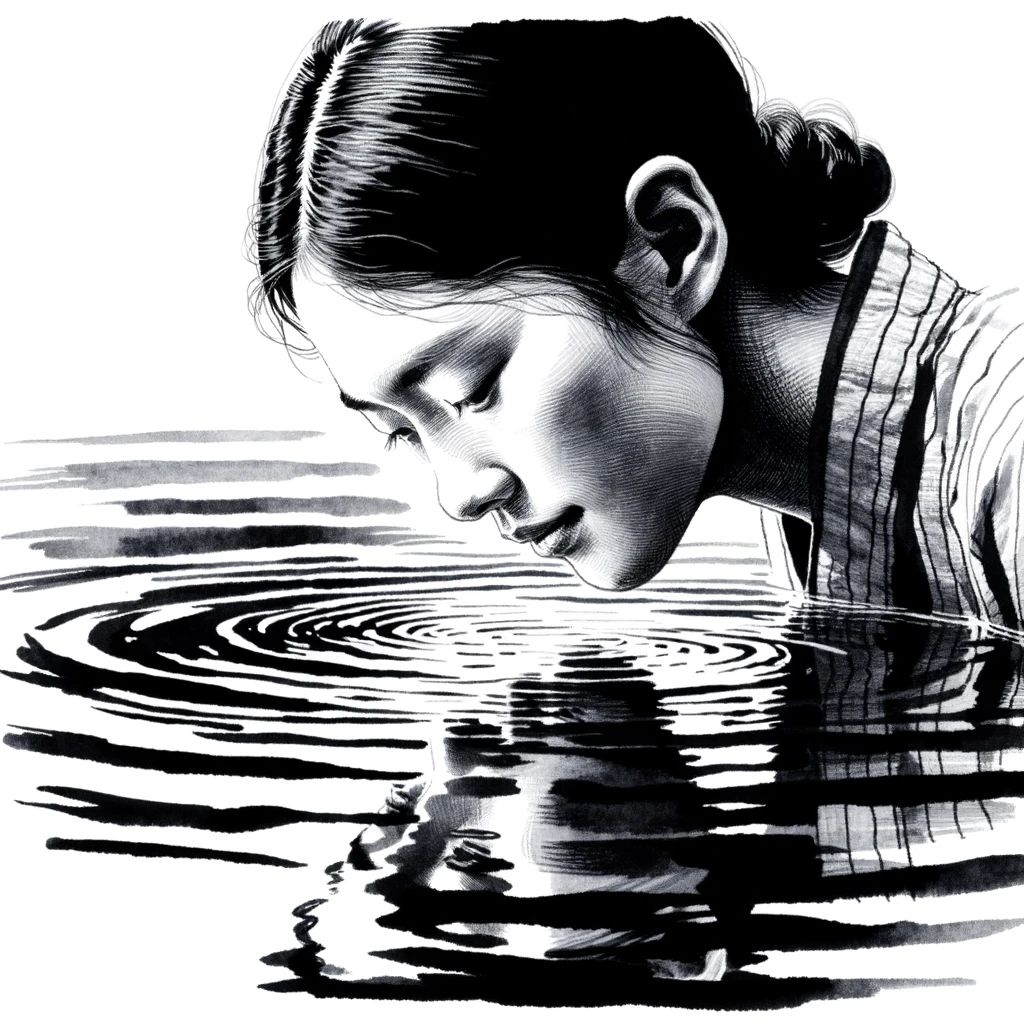
There’s an ingenious story from an ancient tribe that has been passed down through generations about the value of authenticity. The tale speaks of a young warrior who sought the counsel of the village elder, troubled by the masks he saw his peers wearing – masks of bravery, wisdom, and strength that hid their true selves. The elder, known for his unwavering authenticity, led the warrior to a still pond and asked him to look at his reflection.
“See your face, how it changes with the water’s flow, yet beneath remains the same,” he said. “Like the water, life will demand different versions of you, but what lies beneath must always be your true self.”
This story, rich in wisdom, underscores the power of authenticity. It teaches us that while life’s circumstances might require us to adapt, our core – our authentic self – should remain unaltered.
Five Characteristics of Authenticity
- Self-Awareness: Being authentic starts with knowing who you are – your values, desires, and dreams. It’s a deep, introspective journey that allows you to live in alignment with your true self.
- Transparency: Authentic individuals are open and transparent about their thoughts and feelings. They don’t hide behind facades but express themselves honestly and sincerely.
- Consistency: Authenticity means being the same person in all areas of life. It’s a consistency of character that builds trust and fosters genuine relationships.
- Courage: It takes courage to be authentic in a world that often rewards conformity. Authentic individuals are brave enough to stand out, to be different, and to follow their path.
- Compassion: Authenticity is rooted in compassion – for oneself and others. It acknowledges our shared humanity, celebrating our imperfections and vulnerabilities.
The Authentic Path
As I ponder my daughter’s unwavering sense of self, I’m reminded of the importance of nurturing authenticity in our lives. It’s a journey that starts with introspection, demands courage, and is sustained by a commitment to living our truth. Authenticity is the key to not just knowing but embracing who we are. It’s about shedding the masks we wear and stepping into the light of our genuine selves. In doing so, we not only enrich our own lives but become beacons for others, guiding them toward the authenticity we all seek.

 GPTs-and-Me