Neurospicy: Celebrating the Zest of Neurodivergent Thinkers in the Human Stew

In the rich, simmering stew that is the human race, every individual adds a unique flavor. Among these, neurodivergent thinkers – or as my friend, Skyler Boudreaux, likes to call them, “neurospicy” individuals – add a particularly vibrant zest. Just as spices transform a dish, neurodivergent individuals bring a special blend of perspectives, talents, and ideas to the world. Let’s delve into this beautiful analogy and see how thinking of themselves as ‘neurospicy’ can be an affirming and empowering perspective for those who are neurodivergent.
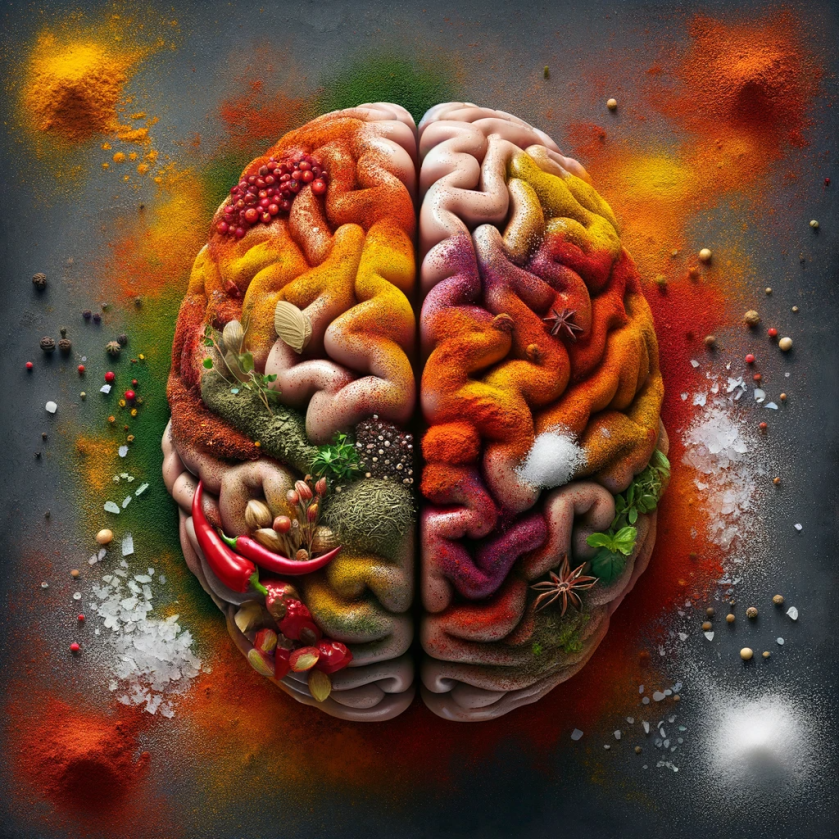
Neurospicy brain created by DALL-E, 2024

Neurodivergence: The Spice in Our Collective Stew

Picture humanity as a vast, bubbling pot of stew, each person contributing their distinct essence. Neurodivergent individuals – those whose brains function in ways divergent from the so-called neurotypical norm – are like the spices that add depth and complexity to the flavor. They challenge conventional thinking, push boundaries, and enrich our world understanding.

Embracing the ‘Neurospicy’ Identity

The term ‘neurospicy’ is more than a playful moniker. It’s a celebration of neurodivergence. Spices, in essence, are transformative; they can change the whole character of a dish without overpowering it. Similarly, neurodivergent thinkers can transform ideas and fields without overshadowing others. Embracing this identity can be incredibly affirming. It shifts the narrative from one of deficit to one of difference – not just any difference, but a valuable, desirable one.

Neurospicy Individuals in History

Throughout history, many who have added ‘spice’ to humanity’s progress have been neurodivergent. Think of Albert Einstein’s unparalleled contributions to physics. His unique way of thinking, possibly shaped by his autistic traits, allowed him to conceptualize and articulate theories that revolutionized our understanding of the universe.

Consider Temple Grandin, an autistic animal behaviorist whose extraordinary empathy for animals led to groundbreaking improvements in livestock handling that have been adopted worldwide. Her neurodivergence gave her insights that others overlooked.

And let’s not forget the enigmatic brilliance of artists like Vincent van Gogh, whose intense emotional and sensory experiences of the world, potentially a product of his neurodivergence, culminated in artworks that continue to move millions.

Neurospicy in Daily Life

The ‘neurospicy’ individuals aren’t just historical figures; they are all around us. They are the innovators who think outside the box, the artists who see the world through a different lens, and the problem-solvers who approach challenges from unique angles. They add depth and color to human endeavors in workplaces, schools, and communities.

Conclusion: Celebrating Neurodiversity

Thinking of neurodivergence as ‘neurospicy’ is more than an empowering rebrand; it’s a recognition of the value that these differences bring to the human experience. It celebrates the diversity of thought and perception that neurodivergent individuals bring to our collective table. So, here’s to the neurospicy people among us – thank you for adding your unique flavor to the stew of humanity. Your differences don’t just add spice; they are essential to the richness of our shared human experience.

Unraveling the Mysteries of Executive Dysfunction in Neurodivergent Minds

When we talk about the brain and its intricate workings, it’s akin to exploring a universe within our skulls. Particularly fascinating is the concept of executive functioning, which, for some, especially those with neurodivergent brains, can be a field of daily battles and triumphs. Executive dysfunction is a term that often pops up in discussions about neurodiversity, but what does it really mean? Let’s delve into the complexities of the brain and uncover the nuances of executive dysfunction, followed by ten strategies to enhance executive functioning.

The Brain’s Command Center: Executive Functioning Explained

Executive functioning is often described as the CEO of the brain. It’s responsible for managing a host of cognitive tasks, including planning, organizing, task initiation, impulse control, and managing working memory. Think of it as the brain’s orchestra conductor, ensuring every section comes in at the right time and harmonizes with the others.

For neurodivergent individuals, this ‘conductor’ might face unique challenges. Executive dysfunction can manifest as difficulties in organizing tasks, starting and completing projects, or managing time effectively. It’s not a matter of effort or intelligence; it’s about how their brains are wired.

Why Neurodivergent Brains Struggle with Executive Functioning

Neurodivergent brains process information differently. This difference can lead to a bottleneck in executive functioning. For instance, in ADHD, the brain’s neurotransmitters might not facilitate the optimal communication between neurons, leading to challenges in focus and task management. In autism, the brain’s unique wiring can make it challenging to switch tasks or adapt to changes in routine.

Ten Strategies to Enhance Executive Functioning

  1. Break Tasks into Smaller Steps: Large projects can be overwhelming. Break them down into smaller, manageable tasks to reduce anxiety and improve focus.
  2. Use Visual Aids: Visual aids like planners, lists, and charts can help organize thoughts and schedules, making tasks less daunting.
  3. Set Realistic Goals: Establish achievable goals and celebrate small victories to build confidence and momentum.
  4. Create Routines: Structured routines can reduce the mental load of planning daily activities and help manage time more effectively.
  5. Practice Mindfulness: Mindfulness exercises can improve concentration and help in managing impulsivity.
  6. Leverage Technology: Use apps and tools designed to aid with time management, reminders, and organization.
  7. Develop a Support System: Share your challenges with trusted friends or family members who can offer reminders and encouragement.
  8. Prioritize Tasks: Focus on completing tasks in order of importance or deadline, which can help in managing overwhelm.
  9. Exercise Regularly: Physical activity can enhance cognitive function and reduce symptoms of ADHD and anxiety.
  10. Seek Professional Help: Therapists and counselors can provide strategies tailored to individual needs and challenges.

Embracing the Journey with Understanding and Tools

Understanding executive dysfunction in neurodivergent individuals is crucial. It’s about recognizing the differences in brain function and working with them, not against them. By implementing strategies that cater to their unique needs, individuals struggling with executive dysfunction can find ways to navigate their daily lives more effectively. It’s a journey of adaptation, patience, and finding the right tools to help the ‘brain’s CEO’ run a smooth operation.