The arc of human history bends toward progress, often charted through breakthrough inventions from the wheel to the internet. Yet, one invention’s societal ramifications starkly contrast: the printing press. Its inception marked an era where knowledge was no longer a privilege of the few but a right for the many, catalyzing the Enlightenment and the rise of democracy. Alarmingly, contemporary trends highlight a growth in illiteracy, imperiling our democratic foundations.
Before the Printing Press: The Feudal Shadows
In the confines of the feudal system, power had a stark hierarchy, with ordinary folks typically under the yoke of monarchs and lords. Information was a precious commodity, accessible predominantly to the clergy and aristocracy. Hence, the average individual’s worldview was narrow, shaped mainly by religious teachings.
The Printing Revolution: Enlightenment Ushering Democracy
With the printing press’s advent, information underwent democratization. Books, previously rarities reserved for the elite, became more common, igniting a literacy explosion. Armed with newfound knowledge, the masses began challenging traditional norms. The Enlightenment was more than an era of intellectual awakening; it emphasized knowledge acquisition and rationality.
John Locke, a pivotal Enlightenment figure, introduced concepts underpinning modern democracy. His emphasis on knowledge’s significance was radical. Highlighting five principles from Locke’s ideology underscores the need for an informed electorate:
- Consent of the Governed: Locke postulated that legitimate governance requires the people’s consent. Only an informed populace can provide or retract this consent judiciously.
- Natural Rights: Individuals inherently possess rights to life, liberty, and property. An informed citizenry is best positioned to defend these rights.
- Social Contract: Citizens, according to Locke, form governments to shield their rights. If governments falter in this duty, the citizenry, if well-informed, can modify or dismantle them.
- Toleration: Locke emphasized religious tolerance’s necessity. An educated populace can segregate personal convictions from the secular state’s needs.
- Rule of Law: Democracies flourish when laws cater to public welfare. An informed electorate ensures these laws’ equity and alignment with the greater good.
The Literacy Decline and Democracy’s Jeopardy
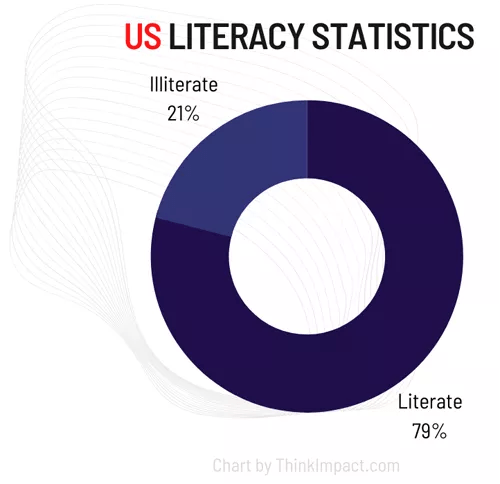
Recent data paints a concerning picture: approximately 21% of adults in the U.S. can’t read. When juxtaposed against eras of higher literacy, this difference is glaring. An uninformed or illiterate populace is easily swayed. America’s dwindling grasp of democratic processes and the importance of informed citizenship is becoming palpably evident. This decline has rendered our democracy fragile, with many oblivious to their civic rights and duties.
Conclusion: A Clarion Call
Democracy transcends mere voting; it mandates informed societal choices. As Americans, it is incumbent upon us to be enlightened, fathom our democratic machinery, and uphold the ideals visionaries like John Locke deemed foundational. For our posterity’s sake, we must champion education and literacy, recognizing them as the keystones of our democratic aspirations.

 GPTs-and-Me