
“Then Peter came to Jesus and asked, ‘Lord, how many times shall I forgive my brother or sister who sins against me? Up to seven times?’ Jesus answered, ‘I tell you, not seven times, but seventy-seven times.'” – Matthew 18:21-22
The Importance of Forgiveness
In the context of Matthew 18, where Peter poses his question about forgiveness, the setting is part of Jesus’ ongoing teaching to His disciples. Prior to Peter’s inquiry, Jesus had been teaching them about the importance of humility, how to deal with sin in the community, and the parable of the lost sheep, which emphasizes God’s concern for the wayward and the value of every individual.
Peter’s question about forgiveness likely stems from this broader discussion of community relations and dealing with sin among believers. The discourse would have naturally led Peter to wonder about the limits of forgiveness, especially in a close-knit community where interpersonal offenses could frequently occur. His query reflects a practical concern about how often one should extend forgiveness to someone who repeatedly sins against them.
Parable of the Unforgiving Servant
Jesus responds with the parable of the unforgiving servant, which immediately follows His advice to forgive “seventy-seven times,” further emphasizing the necessity of unlimited forgiveness.
Jesus told the Parable of the Unforgiving Servant. In this parable, a king wanted to settle accounts with his servant. One servant owed him an enormous sum, equivalent to millions of dollars today, and couldn’t pay. The king ordered that the servant, along with his family and possessions, be sold to repay the debt. The servant begged for mercy, and the king, moved by compassion, forgave the debt entirely.
However, this same servant went out and found a fellow servant who owed him a much smaller amount. Instead of showing the same mercy he had received, he demanded immediate payment and had the fellow servant thrown into prison. When the other servants saw what had happened, they were greatly distressed and told the king. The king called the unforgiving servant in and rebuked him, saying, “Shouldn’t you have had mercy on your fellow servant just as I had on you?” In anger, the king handed him over to the jailers to be tortured until he could pay back all he owed.
Jesus used this parable to show the importance of extending the same forgiveness we receive from God to others. This teaching illustrates that forgiveness should be extended generously, mirroring God’s forgiveness towards humanity, and highlights the consequences of failing to forgive others from the heart. This exchange between Peter and Jesus underscores a key aspect of Christian doctrine, emphasizing forgiveness as a fundamental expectation within the community, reflecting God’s infinite mercy and grace.
And forgive us of our trespasses, as we forgive those who trespass against us.
Lord’s Prayer
Forgiveness, in its essence, is a resurrection. It is a journey from the bondage of anger and resentment to the freedom of peace and understanding. It is the conscious choice to move beyond the pain inflicted by others or by our own mistakes. Without forgiveness, we are shackled to the past, unable to embrace the present or future fully. It is the key to healing, to mending the invisible scars that weigh down our spirits. By forgiving, we acknowledge our shared humanity, recognizing that we all falter and that grace is a gift we both give and receive.
Steps to Forgive Yourself and Others
Forgiving is an intentional act, a process that begins with a decision and unfolds with effort and patience. Here are steps to guide you on this path:
- Acknowledge the Hurt: Begin by acknowledging the pain. Whether it’s something someone else did to you or a mistake you made yourself, it’s important to confront it honestly. Name the hurt, understand its impact on you, and allow yourself to feel the emotions it brings up.
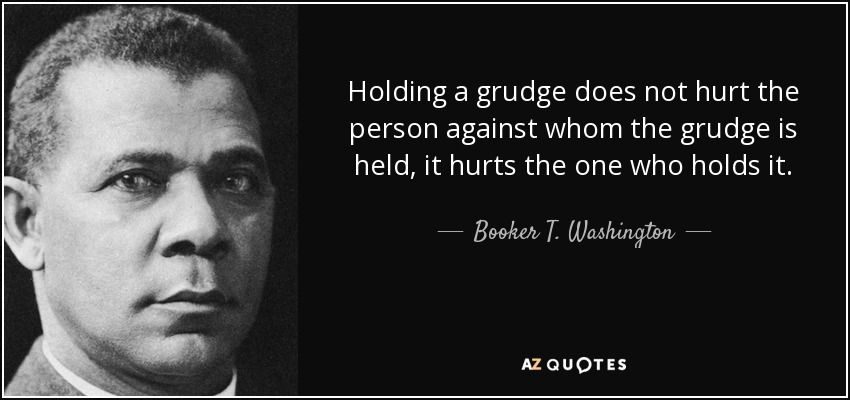
- Release the Grudge: Let go of the desire for revenge or retribution. This doesn’t mean you condone the behavior, but you choose not to let it control your emotions and actions. Say to yourself, “I release this pain. I release this grudge.”
- Empathize: Try to see the situation from the other person’s perspective. Understanding their motives or circumstances can help in softening your heart. This step is crucial when forgiving yourself as well—recognize the pressures and challenges you were under at the time.
- Decide to Forgive: Make the conscious decision to forgive. This might be the hardest part, but it’s also the most liberating. Affirm your choice to let go and move on.
- Take Action: Sometimes forgiveness requires action. It might be writing a letter (whether you send it or not), having a conversation, or simply performing a ritual of release. Do whatever feels right to you to symbolize your commitment to forgiveness.
How Forgiveness Heals
Forgiveness is a powerful healer. When we let go of anger and resentment, we make room for positive emotions and experiences. The act of forgiving releases us from the chains of the past, allowing us to live more fully in the present. It reduces stress, improves our mental health, and fosters better relationships. Forgiveness is not just an emotional release but a physical one, too. Studies have shown that people who forgive experience lower blood pressure, reduced risk of heart disease, and stronger immune systems. In essence, forgiveness is a holistic healer, mending our hearts, minds, and bodies.
Letting Go of Grudges
Grudges are like heavy stones we carry around, weighing us down and draining our energy. Letting go of a grudge is a gift to ourselves. It means freeing ourselves from the negative hold the past has on us. To let go, start by recognizing the grudge’s impact on your life. Ask yourself if holding onto it is worth the emotional and physical toll it takes.
Next, choose to release it. This is an active choice, a decision to no longer allow the past to dictate your present. Engage in practices that help you let go, such as journaling, meditation, or speaking with a trusted friend or therapist. Visualize the grudge as a physical object, and imagine yourself setting it down and walking away from it.
In the end, letting go of grudges opens the door to peace and joy. It is a declaration that we will not be defined by our pain but by our capacity to heal and to love. It’s a journey worth taking, one step at a time.

 GPTs-and-Me