The Soul of Friendship: Exploring Aristotle’s Timeless Wisdom

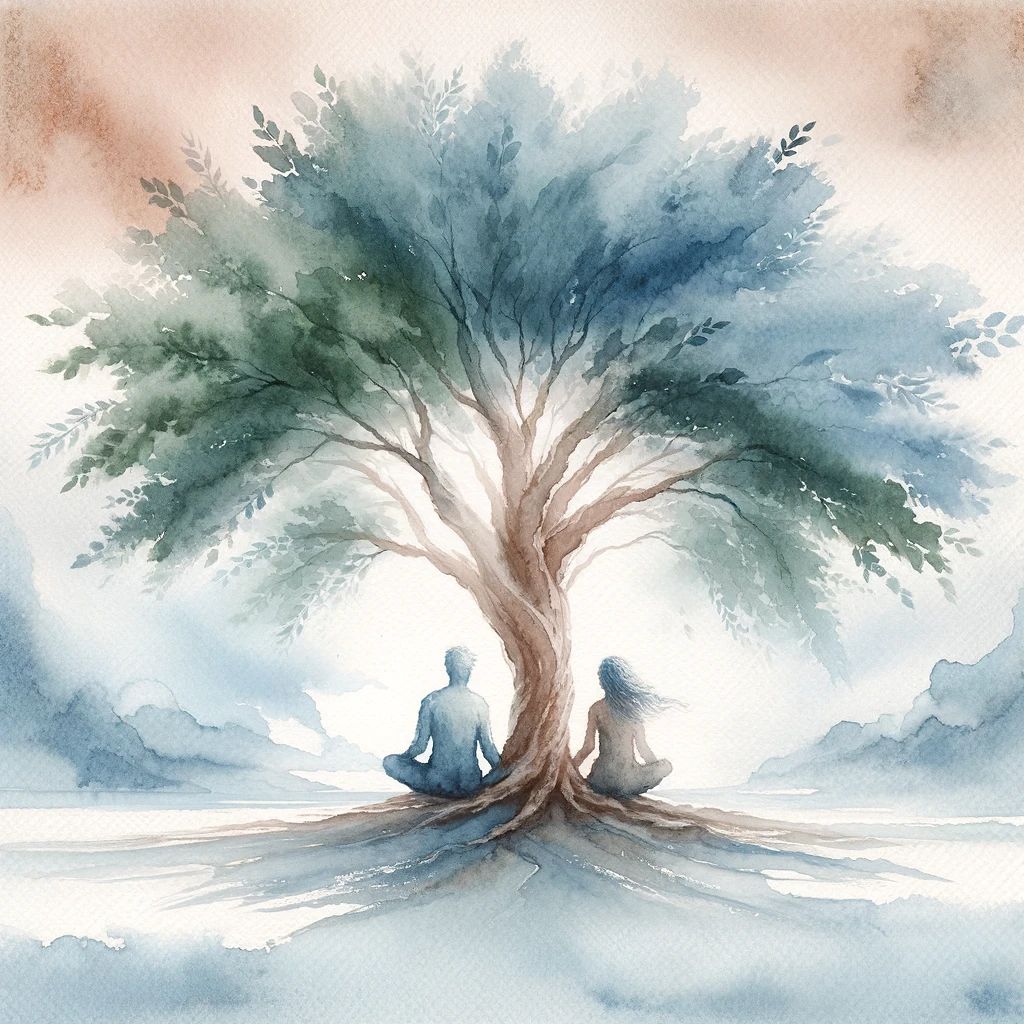
Image created by DALL-E,  4.18.24

“What is a friend? A single soul dwelling in two bodies.”

Aristotle

This profound observation offers more than a touching sentiment; it delves into the essence of what it means to be connected to another human being on a profound level. But to truly appreciate the gravity of this statement, we must first understand Aristotle’s concept of the soul.

Aristotle and the Soul

Aristotle saw the soul as the essence of a living being, the cause and source of its life. The soul, according to him, is what gives a body its life force, its purpose. It is not merely a spirit housed within us but an integral part of our being that defines our capacity to function, reason, and connect.

A Single Soul in Two Bodies

With this understanding, when Aristotle speaks of friends as sharing one soul, he invites us to consider friendship as the deepest possible connection between two people. It’s more than shared interests or mutual benefits; it’s a profound meeting of minds and spirits, where two individuals resonate on such a fundamental level that their souls seem intertwined. In this sacred space, friends mirror each other’s virtues and offer a reflection of their best selves.

The Bonding of Souls

Friendship, in its truest form, acts as a catalyst for this soulful bonding. It helps us grow, challenges us, and supports us in our pursuit of a good and meaningful life. Through the joys and trials shared, friends can not only understand one another’s intents and desires but often anticipate them, acting as extensions of each other’s will and purpose.

The Healing Power of Friendship

When our bodies grow weary, when the trials of life make us falter, friends become our sanctuary. They offer strength when ours is waning and light when our path grows dark. This isn’t just poetic language; it’s a reality backed by science.

Empirical Evidence on Friendship and Health:

  1. Study on Social Relationships and Mortality Risk (2010): A meta-analysis published in PLOS Medicine concluded that strong social relationships enhance our survival odds by 50%, an effect on mortality risk roughly comparable to smoking cessation.
  2. Study on Social Connections and Physiological Functioning: Research indicates that individuals with strong social ties have better immune function and are less likely to suffer from depression and anxiety. Friendship literally helps our bodies manage stress and recover from illness faster.

Cultivating the Art of Friendship

Being a good friend is both a gift and a skill, one that nurtures not only another’s soul but our own. Here are five ways to cultivate the art of true friendship:

  1. Be Present: More than just physically being there, true presence means offering your undivided attention when your friends speak their minds and share their hearts.
  2. Listen Actively: Listening is the foundation of understanding and empathy in any relationship. Listen not just to respond but to understand.
  3. Offer Honest, Kind Feedback: A true friend does not shy away from the truth. They deliver honesty with kindness and integrity, helping friends see themselves and their situations more clearly.
  4. Support Their Growth: Encourage your friends to pursue their passions and personal growth endeavors. Celebrate their successes and be there to lift them from their failures.
  5. Maintain Trust: Be dependable, keep your promises, and safeguard the confidences shared with you. Trust is the bedrock of any lasting friendship.

Conclusion: Embracing Aristotle’s Vision

Aristotle’s view of friendship as a shared soul is not only a philosophical ideal but a practical guide to living well. By nurturing deep, soulful connections with others, we not only enrich our lives but also engage in a mutual exchange of virtues that elevates our existence. In the camaraderie of true friends, we find one of life’s greatest supports and joys. Let us then strive to be worthy of such profound companionship, for in the mirror of a friend, we see our true selves reflected.


The Essence of Cherish: Understanding and Embracing its Value

In the fast-paced world we inhabit, the essence of cherishing seems more relevant than ever. The word “cherish” is a verb that conveys a depth of emotional investment far beyond simple care or love. To cherish something or someone is to hold them dear, to treat them with affection and care, and to protect and preserve them with enthusiasm. It’s a word that encompasses but with an added layer of active and ongoing commitment and appreciation.

The Origins of Cherish

The word “cherish” finds its roots in the Old French word “cherir,” which comes from “cher,” meaning dear. This, in turn, is derived from the Latin “carus,” meaning beloved or dear. The transition of the word through languages mirrors the evolution of the concept it represents, expanding from a term of endearment to an active verb signifying the act of holding something dear and nurturing it with love and attention.

What We Can Learn from Cherish

Cherishing is not a passive state but an active process. It teaches us the importance of appreciation, care, and protection. In cherishing, we learn to value not just the significant, monumental aspects of life but also the quiet, everyday moments and entities that bring joy, comfort, and meaning to our lives. The act of cherishing encourages us to slow down, recognize, and nurture what truly matters, fostering a deeper connection and sense of gratitude towards our surroundings and relationships.

Ten Things We Should Cherish and Why

  1. Family and Friends: The bedrock of emotional support and love, cherishing these relationships can lead to a more fulfilling and happier life.
  2. Health: Often taken for granted until it’s compromised, our health enables us to live, experience, and enjoy life to its fullest.
  3. Time: An irreplaceable resource, time should be cherished and used wisely, reminding us to live meaningfully.
  4. Nature: Cherishing the environment nurtures a sense of responsibility towards its preservation for future generations and fosters a connection with the earth.
  5. Memories: Preserving and cherishing memories connects us to our past, shapes our identity, and guides our future.
  6. Peace: In a world where turmoil can be rampant, cherishing moments of peace encourages mindfulness and gratitude.
  7. Creativity: The ability to create and appreciate creativity in all forms enriches our lives and cultures, fostering innovation and emotional expression.
  8. Knowledge: Cherishing the pursuit of knowledge leads to growth, understanding, and progress, both personally and societally.
  9. Freedom: Often undervalued, freedom in all its forms allows for self-expression, choice, and the pursuit of happiness.
  10. Love: The foundation of human connection, cherishing love in all its forms builds empathy, unity, and compassion.

In cherishing these aspects of life, we not only enhance our own existence but also contribute positively to the world around us. Cherishing is an art that, when practiced, can transform the mundane into the extraordinary, reminding us of the beauty, value, and impermanence of all we hold dear. By integrating the act of cherishing into our daily lives, we can lead more intentional, connected, and joyful lives.

Five Strategies for Healing a Broken Heart

Heartbreak is a universal experience that almost every human being goes through at some point in their lives. The pain of losing someone or something we truly loved can be overwhelming. It’s like a wound that feels as if it will never heal. But with time, patience, and the right strategies, we can navigate our way out of the heartache and emerge stronger. Here are five proven strategies for healing a broken heart:

  1. Allow Yourself to Grieve:
    Grief is a natural reaction to loss. Whether it’s the end of a relationship, the passing of a loved one, or any other significant change, allowing yourself to grieve is essential. Don’t rush yourself through the process or judge yourself for how you feel. Every person’s grief journey is unique. Cry, scream, or express your feelings in whatever way feels right for you.
  2. Seek Support:
    There’s strength in community. Don’t be afraid to lean on friends, family, or professional counselors. Sharing your feelings with someone you trust can provide a sense of relief. Group therapy or support groups can also be helpful, as they provide a space to share with others who’ve gone through similar experiences.
  3. Engage in Self-Care:
    Tend to your own well-being. Engaging in self-care doesn’t mean indulging in distractions; it means truly caring for your mental, emotional, and physical health. This can be as simple as taking walks, practicing meditation, diving into a hobby, or even booking that spa day you’ve been postponing.
  4. Reframe the Narrative:
    Change the story you tell yourself. Remember that your worth isn’t determined by a relationship. Instead of viewing the heartbreak as a reflection of your shortcomings, see it as a learning experience. What did the relationship teach you? How have you grown as a person? Reframing the narrative can help you find the silver lining even in painful situations.
  5. Give it Time:
    Healing doesn’t happen overnight. As cliché as it sounds, time really does heal all wounds. While the pain might be intense now, it will lessen with each passing day. Be patient with yourself and remember that healing is a journey, not a destination.

In the end, healing a broken heart is as much about rediscovering yourself as it is about letting go. Embrace the journey with an open heart and an open mind, and know that brighter days lie ahead.

Buy Me A Coffee