A political debate is more than a mere exchange of policies and promises. It’s an intricate dance of rhetoric, persuasion, and non-verbal cues. For an informed voter, understanding the nuances of both verbal exchanges and body language is paramount.
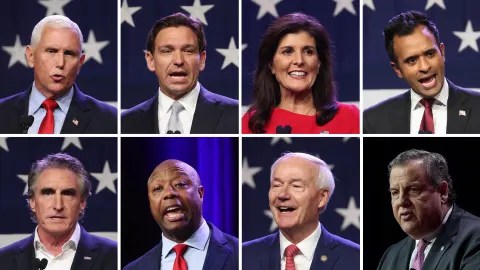
Here’s a guide on what to listen for and observe during a political debate:
1. Verbal Cues: Listening Beyond the Rhetoric
a. Consistency: Does the candidate maintain a consistent message throughout the debate? Flip-flopping can indicate a lack of conviction or pandering to the audience.
b. Specificity: General statements sound good but lack substance. Listen for specific plans, timelines, and strategies.
c. Fact-Checking: Politicians, like all humans, can sometimes get their facts wrong. Make a note of claims and cross-check them later for accuracy.
d. Tone and Emotion: How does the candidate sound when talking about certain topics? Passion is good, but excessive emotion might indicate a lack of control or objectivity.
e. Responsiveness: Does the candidate directly address the question or do they veer off-topic? A direct answer often signifies confidence in their stance.
2. Body Language: The Silent Communicator
a. Eye Contact: Trustworthiness often comes from the eyes. If a candidate frequently avoids eye contact, it may signal discomfort or evasion.
b. Facial Expressions: A genuine smile is warm and reaches the eyes. Watch out for forced smiles or exaggerated expressions which can signal insincerity.
c. Gestures: Open palms can suggest honesty and openness, while pointing fingers can come off as aggressive. Notice if their gestures align with their words.
d. Posture: Standing tall with shoulders back denotes confidence. Slouching or leaning might indicate fatigue or a lack of confidence.
e. Mirroring: If two candidates are in agreement, they might subconsciously mirror each other’s body language. It’s a subtle sign of rapport.
f. Defensive Movements: Crossed arms, hands covering the mouth or face, and other defensive postures can indicate discomfort with a topic or question.
3. Listen and Watch for Authenticity
Ultimately, a debate is as much about authenticity as it is about policies. Trust your instincts. Sometimes, a candidate’s words will sound right, but their body language will betray a different story.
In the digital age, where information is at our fingertips, it’s more crucial than ever to be discerning listeners and observers. As you tune into the next political debate, equip yourself with these listening and observation skills. It might just change the way you perceive the political landscape.
 GPTs-and-Me