Untangling the Threads of Holy War in Israel: A Timeless Perspective

The turmoil unfolding in Israel, often deemed a ‘Holy War’, is an intricate tapestry of faith, history, and indomitable spirits clashing under the Middle Eastern sun.

What is a Holy War?

A Holy War is a conflict ignited and fueled by religious differences, often bearing the weighty expectation of divine favor on one’s side. It’s a battle where theology dons the armor, wields the sword, and strides onto a field soaked with the tears of history and the blood of the faithful.

Origin of the Holy War in Israel

The roots of the Holy War in Israel sink deep into the sands of time, intertwining with the tales of Abraham, the patriarch revered by Judaism, Christianity, and Islam alike. The conflict essentially begins with the divergent claims and spiritual attachments to the land considered holy by these three major monotheistic religions.
A Whisper from Jesus

Christ’s teachings, epitomized by love, forgiveness, and understanding, echo softly through the corridors of time. “Love your neighbor as yourself,” he would likely whisper, encouraging empathy, coexistence, and respect amongst the diverse inhabitants of the land. Jesus would probably advocate for peace, urging parties to lay down their arms, open their hearts, and engage in dialogue built on mutual respect and acknowledgment of each other’s rights and connections to the land.

Muhammad’s Perspective

Prophet Muhammad, the messenger of Islam, promoted justice, compassion, and respect for religious freedom. He would possibly urge Muslims to protect the rights of their Jewish and Christian neighbors and engage in peaceful negotiations. The Prophet might underscore the Quranic verse: “O mankind, indeed We have created you from male and female and made you peoples and tribes that you may know one another.” (49:13)

Moses’ Wisdom

Moses, the prophet of Judaism, might direct his followers to adhere to the commandments, especially “You shall not murder.” He might call for justice, righteousness, and respect for all individuals, irrespective of their faith, echoing the timeless wisdom embedded within the Torah.

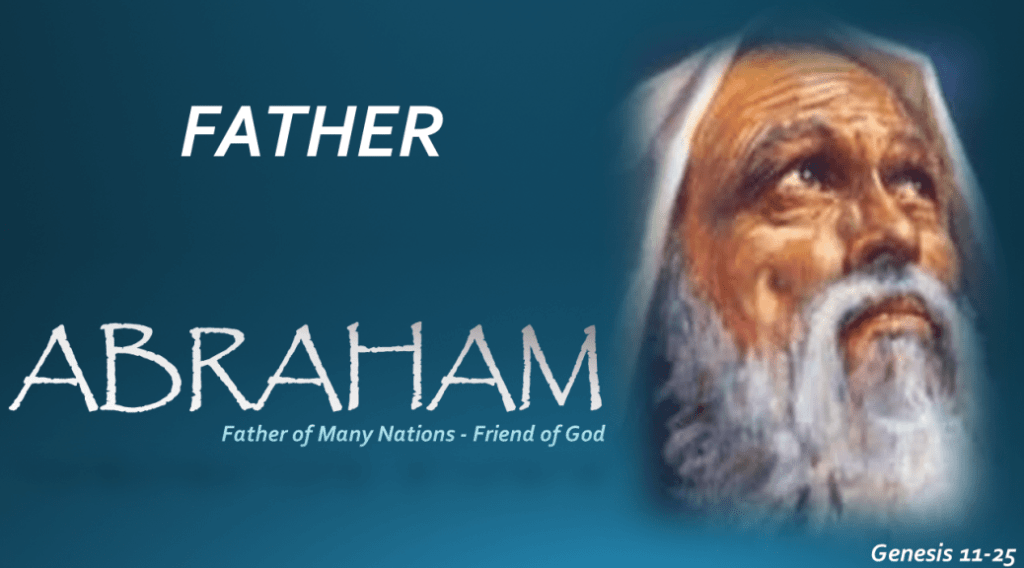
Father Abraham’s Counsel

Abraham, the shared patriarch, would possibly be grieved seeing his descendants entangled in a spiral of conflict. He might advise recognizing the shared lineage and spiritual heritage, urging his children to embrace peace, respect, and cooperation as the cornerstones for building a harmonious future.

Seeking Resolution in Unity

In these voices from the past, we might find the whisperings of peace and reconciliation, the quiet nudging towards understanding and coexistence. For in the tapestry of Israel’s Holy War, perhaps it’s the threads of love, respect, and mutual acknowledgment that can weave a future where the divine isn’t called upon to sanction conflict, but to celebrate peace and unity amongst His creation.

Buy Me A Coffee

What Would Muhammad Say We Could Learn from the New Testament?

The confluence of religious ideas is a topic that’s often fraught with contention, but imagine, for a moment, the revered Islamic Prophet Muhammad sitting down to read the New Testament. Although Islam and Christianity are distinct religions with their own set of beliefs and traditions, they share significant historical and thematic overlaps.

Lesson 1: The Golden Rule – Treat Others How You Want to Be Treated

One of the most universally recognized teachings from the New Testament is the Golden Rule: “Do unto others as you would have them do unto you.” This principle aligns well with the teachings of Muhammad, who encouraged believers to act justly and to be kind and generous to others. The concept of ethical reciprocity resonates well with the core Islamic values of charity and compassion.

Lesson 2: Forgiveness

The New Testament is filled with teachings about forgiveness, perhaps most famously in the story of the Prodigal Son. Muhammad, too, placed significant emphasis on the importance of forgiveness. The Quran mentions that God is the Most Merciful and urges believers to practice mercy in their lives, including the act of forgiving those who have wronged them.

Lesson 3: Sacrifice and Altruism

The act of sacrifice, symbolized deeply by the crucifixion of Jesus, serves as a lesson in the ultimate form of altruism. Muhammad also emphasized the virtue of self-sacrifice for the greater good, especially when it comes to supporting those who are less fortunate. The Islamic principle of “Zakat,” or almsgiving, is one of the Five Pillars of Islam and echoes this sentiment.

Lesson 4: The Importance of Community

The New Testament highlights the early formation of the Church and underscores the importance of community and brotherhood. Muhammad would find common ground here as well, as he led the formation of an Ummah, or community of believers, emphasizing the importance of collective worship, mutual support, and the sharing of resources.

Lesson 5: The Virtue of Humility

Both Jesus and Muhammad were embodiments of humility. While they were revered figures, they never saw themselves as above the people but rather as servants. Muhammad would likely appreciate Jesus washing the feet of his disciples as a lesson in leadership through humility.

It’s crucial to remember that each religion has its own unique path to God and its own way of understanding the world. Yet, there is undeniable wisdom to be found in the pages of each other’s holy books. By exploring what Muhammad might appreciate in the New Testament, we may find new, enriching perspectives that broaden our spiritual horizons.

Buy Me A Coffee

What Would Jesus Say About The Quran? Five Lessons to Ponder

Navigating the realm of religious text and doctrine is often a fraught endeavor. As someone who has spent considerable time contemplating the intersection of faith, reason, and human experience, I find it fascinating to consider how figures from one religious tradition might view the sacred texts of another. Specifically, what might Jesus, a Jewish prophet central to Christian belief, say about the Quran, the Islamic holy book?

Lesson 1: Love and Compassion Are Universal

Jesus, who often preached about love and compassion, might point to similar teachings in the Quran. For instance, the Quran mentions God’s compassion and mercy more than 300 times. Jesus might appreciate the universality of such messages, emphasizing the common ground between religious traditions.

Lesson 2: Follow Ethical Principles

Ethical principles like justice, equality, and respect for others are found in the teachings of both Jesus and the Quran. While they may be framed differently, the underlying ethos is similar. Jesus might underline these similarities as evidence that ethical living is a cornerstone of any faith.

Lesson 3: Understand Context

Jesus, who himself has been interpreted in countless ways, might stress the importance of understanding the historical and cultural context in which the Quran was revealed. Just like the Bible, the Quran was revealed in a specific time and place, and its teachings reflect that context.

Lesson 4: Faith and Action Go Hand-In-Hand

Both Christianity and Islam place an emphasis on deeds as well as faith. Jesus, who often urged his followers to act justly, might point to Quranic teachings about the importance of charity (Zakat), regular prayer (Salah), and fasting (Sawm) as further evidence that faith alone is insufficient; it must be lived out through action.

Lesson 5: Unity in Diversity

Despite their differences, both religious traditions aim to elevate the human soul, encourage moral behavior, and foster community. Jesus might argue that, rather than focusing on what sets them apart, followers of both faiths should appreciate the elements that unite them, as these commonalities can be a strong foundation for interfaith dialogue and peace.

In summary, while Jesus and the Quran come from different religious traditions, there’s much to suggest that their core messages have many similarities. Focusing on these common teachings can enrich our own spiritual journeys and foster a climate of mutual respect and understanding.

Buy Me A Coffee