The turmoil unfolding in Israel, often deemed a ‘Holy War’, is an intricate tapestry of faith, history, and indomitable spirits clashing under the Middle Eastern sun.
What is a Holy War?
A Holy War is a conflict ignited and fueled by religious differences, often bearing the weighty expectation of divine favor on one’s side. It’s a battle where theology dons the armor, wields the sword, and strides onto a field soaked with the tears of history and the blood of the faithful.
Origin of the Holy War in Israel
The roots of the Holy War in Israel sink deep into the sands of time, intertwining with the tales of Abraham, the patriarch revered by Judaism, Christianity, and Islam alike. The conflict essentially begins with the divergent claims and spiritual attachments to the land considered holy by these three major monotheistic religions.
A Whisper from Jesus
Christ’s teachings, epitomized by love, forgiveness, and understanding, echo softly through the corridors of time. “Love your neighbor as yourself,” he would likely whisper, encouraging empathy, coexistence, and respect amongst the diverse inhabitants of the land. Jesus would probably advocate for peace, urging parties to lay down their arms, open their hearts, and engage in dialogue built on mutual respect and acknowledgment of each other’s rights and connections to the land.
Muhammad’s Perspective
Prophet Muhammad, the messenger of Islam, promoted justice, compassion, and respect for religious freedom. He would possibly urge Muslims to protect the rights of their Jewish and Christian neighbors and engage in peaceful negotiations. The Prophet might underscore the Quranic verse: “O mankind, indeed We have created you from male and female and made you peoples and tribes that you may know one another.” (49:13)
Moses’ Wisdom
Moses, the prophet of Judaism, might direct his followers to adhere to the commandments, especially “You shall not murder.” He might call for justice, righteousness, and respect for all individuals, irrespective of their faith, echoing the timeless wisdom embedded within the Torah.
Father Abraham’s Counsel
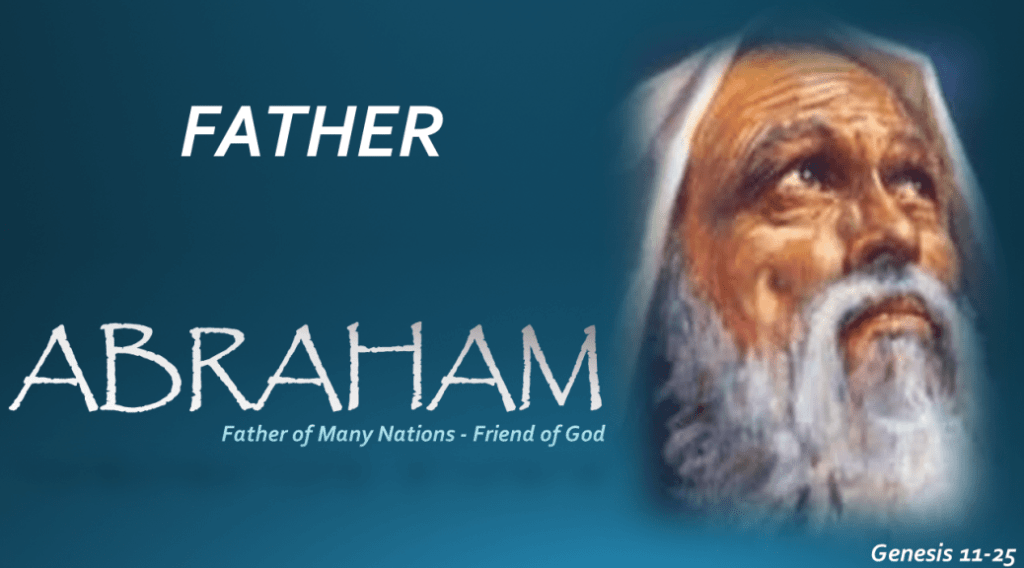
Abraham, the shared patriarch, would possibly be grieved seeing his descendants entangled in a spiral of conflict. He might advise recognizing the shared lineage and spiritual heritage, urging his children to embrace peace, respect, and cooperation as the cornerstones for building a harmonious future.
Seeking Resolution in Unity
In these voices from the past, we might find the whisperings of peace and reconciliation, the quiet nudging towards understanding and coexistence. For in the tapestry of Israel’s Holy War, perhaps it’s the threads of love, respect, and mutual acknowledgment that can weave a future where the divine isn’t called upon to sanction conflict, but to celebrate peace and unity amongst His creation.

 GPTs-and-Me