In our rapidly changing world, the quest for power is pervasive. It’s seen in boardrooms, political arenas, and even playgrounds. Yet, as we navigate through the many manifestations of power, there emerges a distinct and often underestimated force: Influence. While control may be transient and fleeting, the power of influence is enduring, leaving a legacy that often outlives the influencer. Let’s delve deeper into this intriguing concept.
Defining Influence
At its core, influence is the capacity to have an effect on the character, development, or behavior of someone or something. It’s the subtle nudge, the gentle persuasion, and the unspoken impact that shapes decisions and molds outcomes.
Control vs. Influence
Control is about dominion and authority. It’s direct, often requiring external mechanisms like rules, regulations, or even force. Influence, on the other hand, operates from the shadows. It’s less about direct authority and more about suggestion, inspiration, and modeling.
Imagine a teacher. While they might control the classroom using rules, it’s their influence that inspires a student to pursue a particular field, adopt a reading habit, or believe in their own potential. Control dictates the immediate environment, but influence shapes the future.
The Enduring Power of Influence
The reason influence outstrips control in terms of power is because of its sustainability. Control lasts as long as there’s authority to back it. Remove the authority, and control vanishes. Influence, conversely, ingrains itself in the psyche, behavior, and decisions of the influenced, making its effect long-lasting.
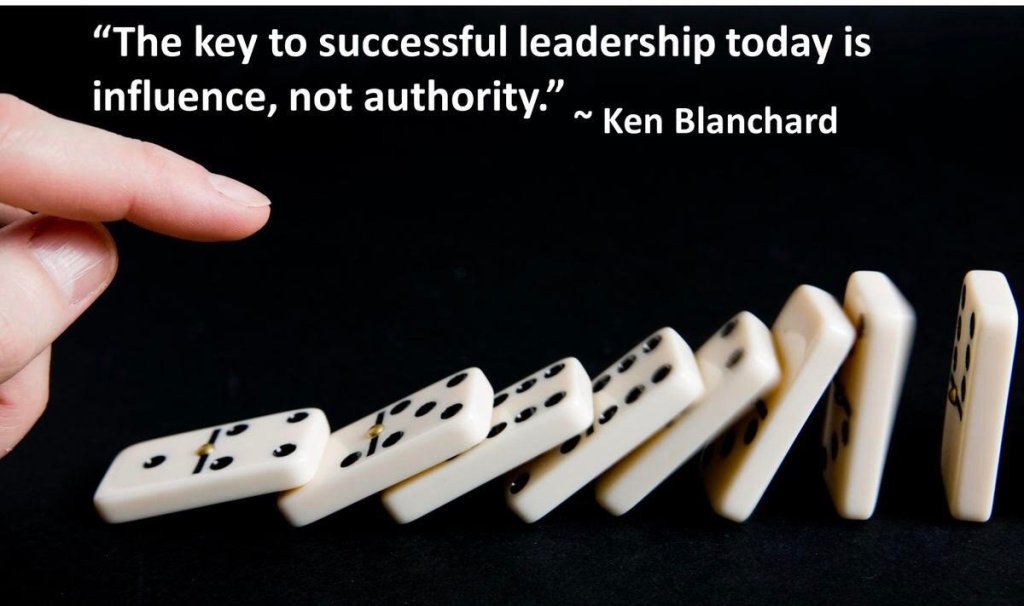
Moreover, influence is like a pebble thrown in a pond. While control’s effects are linear, influence creates ripples. The individual influenced doesn’t just stop at being a recipient but often becomes a conduit, passing on the influence to others, creating a cascading effect.
A Legacy Beyond Life
One of the most profound aspects of influence is its ability to transcend the limitations of life itself. Long after influential figures have left the world, their ideas, beliefs, and values continue to shape societies, inspire revolutions, and foster innovations.
Take, for example, Mahatma Gandhi. While he may have passed away decades ago, his philosophy of non-violence and civil disobedience continues to inspire movements worldwide, from the Civil Rights Movement in the U.S. to recent pro-democracy protests in various parts of the globe.
His life is a testament to the fact that while you can control people for a day, a month, or even a year, it’s through influence that you shape generations.
In Conclusion
Influence, with its subtle and enduring nature, stands as a testament to the adage that true power doesn’t come from dominion but from the hearts and minds you touch. As we tread through our lives, it’s essential to ask not just how many we control but how many we truly influence. For in that distinction lies the legacy we leave behind.

 GPTs-and-Me