
Practicing Forgiveness

Image created by DALL-E, 5.17.24

“Then Peter came to Jesus and asked, ‘Lord, how many times shall I forgive my brother or sister who sins against me? Up to seven times?’ Jesus answered, ‘I tell you, not seven times, but seventy-seven times.'” – Matthew 18:21-22

The Importance of Forgiveness

In the context of Matthew 18, where Peter poses his question about forgiveness, the setting is part of Jesus’ ongoing teaching to His disciples. Prior to Peter’s inquiry, Jesus had been teaching them about the importance of humility, how to deal with sin in the community, and the parable of the lost sheep, which emphasizes God’s concern for the wayward and the value of every individual.

Peter’s question about forgiveness likely stems from this broader discussion of community relations and dealing with sin among believers. The discourse would have naturally led Peter to wonder about the limits of forgiveness, especially in a close-knit community where interpersonal offenses could frequently occur. His query reflects a practical concern about how often one should extend forgiveness to someone who repeatedly sins against them.

Parable of the Unforgiving Servant

Jesus responds with the parable of the unforgiving servant, which immediately follows His advice to forgive “seventy-seven times,” further emphasizing the necessity of unlimited forgiveness.

Jesus told the Parable of the Unforgiving Servant. In this parable, a king wanted to settle accounts with his servant. One servant owed him an enormous sum, equivalent to millions of dollars today, and couldn’t pay. The king ordered that the servant, along with his family and possessions, be sold to repay the debt. The servant begged for mercy, and the king, moved by compassion, forgave the debt entirely.

However, this same servant went out and found a fellow servant who owed him a much smaller amount. Instead of showing the same mercy he had received, he demanded immediate payment and had the fellow servant thrown into prison. When the other servants saw what had happened, they were greatly distressed and told the king. The king called the unforgiving servant in and rebuked him, saying, “Shouldn’t you have had mercy on your fellow servant just as I had on you?” In anger, the king handed him over to the jailers to be tortured until he could pay back all he owed.

Jesus used this parable to show the importance of extending the same forgiveness we receive from God to others. This teaching illustrates that forgiveness should be extended generously, mirroring God’s forgiveness towards humanity, and highlights the consequences of failing to forgive others from the heart. This exchange between Peter and Jesus underscores a key aspect of Christian doctrine, emphasizing forgiveness as a fundamental expectation within the community, reflecting God’s infinite mercy and grace.

And forgive us of our trespasses, as we forgive those who trespass against us.

Lord’s Prayer

Forgiveness, in its essence, is a resurrection. It is a journey from the bondage of anger and resentment to the freedom of peace and understanding. It is the conscious choice to move beyond the pain inflicted by others or by our own mistakes. Without forgiveness, we are shackled to the past, unable to embrace the present or future fully. It is the key to healing, to mending the invisible scars that weigh down our spirits. By forgiving, we acknowledge our shared humanity, recognizing that we all falter and that grace is a gift we both give and receive.

Steps to Forgive Yourself and Others

Forgiving is an intentional act, a process that begins with a decision and unfolds with effort and patience. Here are steps to guide you on this path:

  1. Acknowledge the Hurt: Begin by acknowledging the pain. Whether it’s something someone else did to you or a mistake you made yourself, it’s important to confront it honestly. Name the hurt, understand its impact on you, and allow yourself to feel the emotions it brings up.
  2. Release the Grudge: Let go of the desire for revenge or retribution. This doesn’t mean you condone the behavior, but you choose not to let it control your emotions and actions. Say to yourself, “I release this pain. I release this grudge.”
  3. Empathize: Try to see the situation from the other person’s perspective. Understanding their motives or circumstances can help in softening your heart. This step is crucial when forgiving yourself as well—recognize the pressures and challenges you were under at the time.
  4. Decide to Forgive: Make the conscious decision to forgive. This might be the hardest part, but it’s also the most liberating. Affirm your choice to let go and move on.
  5. Take Action: Sometimes forgiveness requires action. It might be writing a letter (whether you send it or not), having a conversation, or simply performing a ritual of release. Do whatever feels right to you to symbolize your commitment to forgiveness.

How Forgiveness Heals

Forgiveness is a powerful healer. When we let go of anger and resentment, we make room for positive emotions and experiences. The act of forgiving releases us from the chains of the past, allowing us to live more fully in the present. It reduces stress, improves our mental health, and fosters better relationships. Forgiveness is not just an emotional release but a physical one, too. Studies have shown that people who forgive experience lower blood pressure, reduced risk of heart disease, and stronger immune systems. In essence, forgiveness is a holistic healer, mending our hearts, minds, and bodies.

Letting Go of Grudges

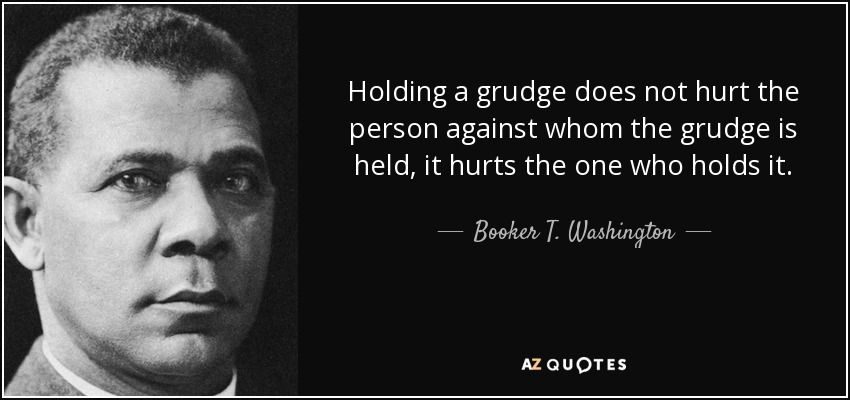
Grudges are like heavy stones we carry around, weighing us down and draining our energy. Letting go of a grudge is a gift to ourselves. It means freeing ourselves from the negative hold the past has on us. To let go, start by recognizing the grudge’s impact on your life. Ask yourself if holding onto it is worth the emotional and physical toll it takes.

Next, choose to release it. This is an active choice, a decision to no longer allow the past to dictate your present. Engage in practices that help you let go, such as journaling, meditation, or speaking with a trusted friend or therapist. Visualize the grudge as a physical object, and imagine yourself setting it down and walking away from it.

In the end, letting go of grudges opens the door to peace and joy. It is a declaration that we will not be defined by our pain but by our capacity to heal and to love. It’s a journey worth taking, one step at a time.

The Essence of Cherish: Understanding and Embracing its Value

In the fast-paced world we inhabit, the essence of cherishing seems more relevant than ever. The word “cherish” is a verb that conveys a depth of emotional investment far beyond simple care or love. To cherish something or someone is to hold them dear, to treat them with affection and care, and to protect and preserve them with enthusiasm. It’s a word that encompasses but with an added layer of active and ongoing commitment and appreciation.

The Origins of Cherish

The word “cherish” finds its roots in the Old French word “cherir,” which comes from “cher,” meaning dear. This, in turn, is derived from the Latin “carus,” meaning beloved or dear. The transition of the word through languages mirrors the evolution of the concept it represents, expanding from a term of endearment to an active verb signifying the act of holding something dear and nurturing it with love and attention.

What We Can Learn from Cherish

Cherishing is not a passive state but an active process. It teaches us the importance of appreciation, care, and protection. In cherishing, we learn to value not just the significant, monumental aspects of life but also the quiet, everyday moments and entities that bring joy, comfort, and meaning to our lives. The act of cherishing encourages us to slow down, recognize, and nurture what truly matters, fostering a deeper connection and sense of gratitude towards our surroundings and relationships.

Ten Things We Should Cherish and Why

  1. Family and Friends: The bedrock of emotional support and love, cherishing these relationships can lead to a more fulfilling and happier life.
  2. Health: Often taken for granted until it’s compromised, our health enables us to live, experience, and enjoy life to its fullest.
  3. Time: An irreplaceable resource, time should be cherished and used wisely, reminding us to live meaningfully.
  4. Nature: Cherishing the environment nurtures a sense of responsibility towards its preservation for future generations and fosters a connection with the earth.
  5. Memories: Preserving and cherishing memories connects us to our past, shapes our identity, and guides our future.
  6. Peace: In a world where turmoil can be rampant, cherishing moments of peace encourages mindfulness and gratitude.
  7. Creativity: The ability to create and appreciate creativity in all forms enriches our lives and cultures, fostering innovation and emotional expression.
  8. Knowledge: Cherishing the pursuit of knowledge leads to growth, understanding, and progress, both personally and societally.
  9. Freedom: Often undervalued, freedom in all its forms allows for self-expression, choice, and the pursuit of happiness.
  10. Love: The foundation of human connection, cherishing love in all its forms builds empathy, unity, and compassion.

In cherishing these aspects of life, we not only enhance our own existence but also contribute positively to the world around us. Cherishing is an art that, when practiced, can transform the mundane into the extraordinary, reminding us of the beauty, value, and impermanence of all we hold dear. By integrating the act of cherishing into our daily lives, we can lead more intentional, connected, and joyful lives.

Unveiling Tony Robbins’ Six Motivators: A Guide to Transforming Behavior

In the realm of personal development and self-improvement, Tony Robbins stands as a colossus, offering insights that have transformed lives worldwide. Among his numerous teachings, the concept of the six human needs – or motivators – is particularly striking. These motivators aren’t just abstract concepts; they’re powerful tools that, when understood and applied, can significantly alter our behavior and path in life. Let’s delve into these six motivators and explore how taking an inventory of them can lead to profound behavioral change.

Tony Robbins’ Six Human Needs

  1. Certainty: The need for safety, stability, and predictability in life.
  2. Uncertainty/Variety: The need for change, novelty, and new challenges.
  3. Significance: The desire to feel unique, important, and worthy of attention.
  4. Love/Connection: The pursuit of communication, unity, and love.
  5. Growth: The need for constant development and expansion, both personally and professionally.
  6. Contribution: The desire to give, help, and make a difference in others’ lives.

Understanding these needs is the first step. But the real transformation happens when we apply this understanding to our daily lives.

Taking Inventory: The Path to Self-Discover

To effectively use these six motivators for behavioral change, it’s crucial to take a personal inventory. This process involves deep self-reflection and honesty.

Step 1: Identify Your Dominant Motivators
Start by asking yourself which of these six needs you prioritize most. Are you driven by the need for certainty, or do you thrive on uncertainty and variety? Perhaps you seek significance or prioritize love and connection above all.

Step 2: Analyze Your Behavioral Patterns
Reflect on how these needs manifest in your behavior. For instance, if certainty is your primary need, do you find yourself avoiding risks or new experiences? If significance dominates, do you often engage in behaviors aimed at gaining recognition or validation from others?

Step 3: Recognize Imbalances
Consider whether your pursuit of these needs is balanced. Is your quest for growth overshadowing your need for connection? Is your contribution coming at the expense of your personal growth?

Step 4: Create a Plan for Change
Once you’ve identified and analyzed your motivators, it’s time to plan. If you’re overly focused on significance, you might strive to cultivate more love and connection. If uncertainty scares you, perhaps start taking small risks to embrace change.

Embracing Change: A Journey of Adaptation

The beauty of understanding these six human needs is that it allows us to see where our motivations come from and how they impact our behavior. By taking inventory and adjusting our focus, we can bring about a more balanced, fulfilling life.

Conclusion: The Power of Self-Understanding

In essence, Robbins’ six human needs are more than just motivators; they are a roadmap to understanding our deepest desires and fears. By taking the time to analyze and adjust our approach to these needs, we open the door to profound personal growth and fulfillment. As Robbins himself says, “The only impossible journey is the one you never begin.” So let’s start this journey of self-discovery and change, embracing the full spectrum of our human needs.