
Practicing Forgiveness

Image created by DALL-E, 5.17.24

“Then Peter came to Jesus and asked, ‘Lord, how many times shall I forgive my brother or sister who sins against me? Up to seven times?’ Jesus answered, ‘I tell you, not seven times, but seventy-seven times.'” – Matthew 18:21-22

The Importance of Forgiveness

In the context of Matthew 18, where Peter poses his question about forgiveness, the setting is part of Jesus’ ongoing teaching to His disciples. Prior to Peter’s inquiry, Jesus had been teaching them about the importance of humility, how to deal with sin in the community, and the parable of the lost sheep, which emphasizes God’s concern for the wayward and the value of every individual.

Peter’s question about forgiveness likely stems from this broader discussion of community relations and dealing with sin among believers. The discourse would have naturally led Peter to wonder about the limits of forgiveness, especially in a close-knit community where interpersonal offenses could frequently occur. His query reflects a practical concern about how often one should extend forgiveness to someone who repeatedly sins against them.

Parable of the Unforgiving Servant

Jesus responds with the parable of the unforgiving servant, which immediately follows His advice to forgive “seventy-seven times,” further emphasizing the necessity of unlimited forgiveness.

Jesus told the Parable of the Unforgiving Servant. In this parable, a king wanted to settle accounts with his servant. One servant owed him an enormous sum, equivalent to millions of dollars today, and couldn’t pay. The king ordered that the servant, along with his family and possessions, be sold to repay the debt. The servant begged for mercy, and the king, moved by compassion, forgave the debt entirely.

However, this same servant went out and found a fellow servant who owed him a much smaller amount. Instead of showing the same mercy he had received, he demanded immediate payment and had the fellow servant thrown into prison. When the other servants saw what had happened, they were greatly distressed and told the king. The king called the unforgiving servant in and rebuked him, saying, “Shouldn’t you have had mercy on your fellow servant just as I had on you?” In anger, the king handed him over to the jailers to be tortured until he could pay back all he owed.

Jesus used this parable to show the importance of extending the same forgiveness we receive from God to others. This teaching illustrates that forgiveness should be extended generously, mirroring God’s forgiveness towards humanity, and highlights the consequences of failing to forgive others from the heart. This exchange between Peter and Jesus underscores a key aspect of Christian doctrine, emphasizing forgiveness as a fundamental expectation within the community, reflecting God’s infinite mercy and grace.

And forgive us of our trespasses, as we forgive those who trespass against us.

Lord’s Prayer

Forgiveness, in its essence, is a resurrection. It is a journey from the bondage of anger and resentment to the freedom of peace and understanding. It is the conscious choice to move beyond the pain inflicted by others or by our own mistakes. Without forgiveness, we are shackled to the past, unable to embrace the present or future fully. It is the key to healing, to mending the invisible scars that weigh down our spirits. By forgiving, we acknowledge our shared humanity, recognizing that we all falter and that grace is a gift we both give and receive.

Steps to Forgive Yourself and Others

Forgiving is an intentional act, a process that begins with a decision and unfolds with effort and patience. Here are steps to guide you on this path:

  1. Acknowledge the Hurt: Begin by acknowledging the pain. Whether it’s something someone else did to you or a mistake you made yourself, it’s important to confront it honestly. Name the hurt, understand its impact on you, and allow yourself to feel the emotions it brings up.
  2. Release the Grudge: Let go of the desire for revenge or retribution. This doesn’t mean you condone the behavior, but you choose not to let it control your emotions and actions. Say to yourself, “I release this pain. I release this grudge.”
  3. Empathize: Try to see the situation from the other person’s perspective. Understanding their motives or circumstances can help in softening your heart. This step is crucial when forgiving yourself as well—recognize the pressures and challenges you were under at the time.
  4. Decide to Forgive: Make the conscious decision to forgive. This might be the hardest part, but it’s also the most liberating. Affirm your choice to let go and move on.
  5. Take Action: Sometimes forgiveness requires action. It might be writing a letter (whether you send it or not), having a conversation, or simply performing a ritual of release. Do whatever feels right to you to symbolize your commitment to forgiveness.

How Forgiveness Heals

Forgiveness is a powerful healer. When we let go of anger and resentment, we make room for positive emotions and experiences. The act of forgiving releases us from the chains of the past, allowing us to live more fully in the present. It reduces stress, improves our mental health, and fosters better relationships. Forgiveness is not just an emotional release but a physical one, too. Studies have shown that people who forgive experience lower blood pressure, reduced risk of heart disease, and stronger immune systems. In essence, forgiveness is a holistic healer, mending our hearts, minds, and bodies.

Letting Go of Grudges

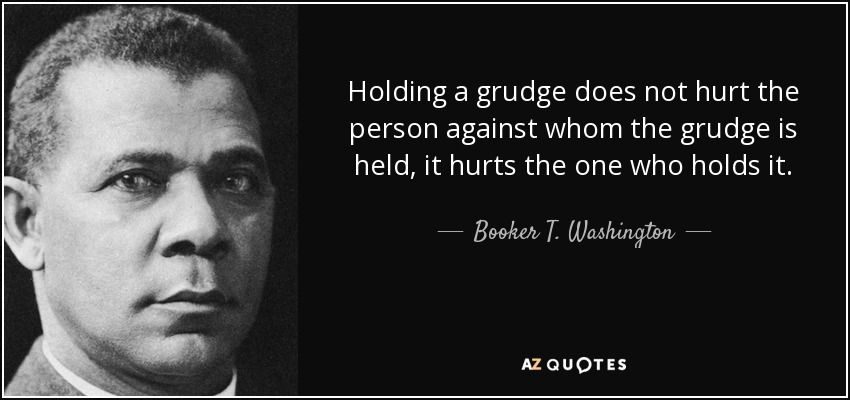
Grudges are like heavy stones we carry around, weighing us down and draining our energy. Letting go of a grudge is a gift to ourselves. It means freeing ourselves from the negative hold the past has on us. To let go, start by recognizing the grudge’s impact on your life. Ask yourself if holding onto it is worth the emotional and physical toll it takes.

Next, choose to release it. This is an active choice, a decision to no longer allow the past to dictate your present. Engage in practices that help you let go, such as journaling, meditation, or speaking with a trusted friend or therapist. Visualize the grudge as a physical object, and imagine yourself setting it down and walking away from it.

In the end, letting go of grudges opens the door to peace and joy. It is a declaration that we will not be defined by our pain but by our capacity to heal and to love. It’s a journey worth taking, one step at a time.

The Soul of Friendship: Exploring Aristotle’s Timeless Wisdom

Image created by DALL-E,  4.18.24

“What is a friend? A single soul dwelling in two bodies.”

Aristotle

This profound observation offers more than a touching sentiment; it delves into the essence of what it means to be connected to another human being on a profound level. But to truly appreciate the gravity of this statement, we must first understand Aristotle’s concept of the soul.

Aristotle and the Soul

Aristotle saw the soul as the essence of a living being, the cause and source of its life. The soul, according to him, is what gives a body its life force, its purpose. It is not merely a spirit housed within us but an integral part of our being that defines our capacity to function, reason, and connect.

A Single Soul in Two Bodies

With this understanding, when Aristotle speaks of friends as sharing one soul, he invites us to consider friendship as the deepest possible connection between two people. It’s more than shared interests or mutual benefits; it’s a profound meeting of minds and spirits, where two individuals resonate on such a fundamental level that their souls seem intertwined. In this sacred space, friends mirror each other’s virtues and offer a reflection of their best selves.

The Bonding of Souls

Friendship, in its truest form, acts as a catalyst for this soulful bonding. It helps us grow, challenges us, and supports us in our pursuit of a good and meaningful life. Through the joys and trials shared, friends can not only understand one another’s intents and desires but often anticipate them, acting as extensions of each other’s will and purpose.

The Healing Power of Friendship

When our bodies grow weary, when the trials of life make us falter, friends become our sanctuary. They offer strength when ours is waning and light when our path grows dark. This isn’t just poetic language; it’s a reality backed by science.

Empirical Evidence on Friendship and Health:

  1. Study on Social Relationships and Mortality Risk (2010): A meta-analysis published in PLOS Medicine concluded that strong social relationships enhance our survival odds by 50%, an effect on mortality risk roughly comparable to smoking cessation.
  2. Study on Social Connections and Physiological Functioning: Research indicates that individuals with strong social ties have better immune function and are less likely to suffer from depression and anxiety. Friendship literally helps our bodies manage stress and recover from illness faster.

Cultivating the Art of Friendship

Being a good friend is both a gift and a skill, one that nurtures not only another’s soul but our own. Here are five ways to cultivate the art of true friendship:

  1. Be Present: More than just physically being there, true presence means offering your undivided attention when your friends speak their minds and share their hearts.
  2. Listen Actively: Listening is the foundation of understanding and empathy in any relationship. Listen not just to respond but to understand.
  3. Offer Honest, Kind Feedback: A true friend does not shy away from the truth. They deliver honesty with kindness and integrity, helping friends see themselves and their situations more clearly.
  4. Support Their Growth: Encourage your friends to pursue their passions and personal growth endeavors. Celebrate their successes and be there to lift them from their failures.
  5. Maintain Trust: Be dependable, keep your promises, and safeguard the confidences shared with you. Trust is the bedrock of any lasting friendship.

Conclusion: Embracing Aristotle’s Vision

Aristotle’s view of friendship as a shared soul is not only a philosophical ideal but a practical guide to living well. By nurturing deep, soulful connections with others, we not only enrich our lives but also engage in a mutual exchange of virtues that elevates our existence. In the camaraderie of true friends, we find one of life’s greatest supports and joys. Let us then strive to be worthy of such profound companionship, for in the mirror of a friend, we see our true selves reflected.

The Essence of Cherish: Understanding and Embracing its Value

In the fast-paced world we inhabit, the essence of cherishing seems more relevant than ever. The word “cherish” is a verb that conveys a depth of emotional investment far beyond simple care or love. To cherish something or someone is to hold them dear, to treat them with affection and care, and to protect and preserve them with enthusiasm. It’s a word that encompasses but with an added layer of active and ongoing commitment and appreciation.

The Origins of Cherish

The word “cherish” finds its roots in the Old French word “cherir,” which comes from “cher,” meaning dear. This, in turn, is derived from the Latin “carus,” meaning beloved or dear. The transition of the word through languages mirrors the evolution of the concept it represents, expanding from a term of endearment to an active verb signifying the act of holding something dear and nurturing it with love and attention.

What We Can Learn from Cherish

Cherishing is not a passive state but an active process. It teaches us the importance of appreciation, care, and protection. In cherishing, we learn to value not just the significant, monumental aspects of life but also the quiet, everyday moments and entities that bring joy, comfort, and meaning to our lives. The act of cherishing encourages us to slow down, recognize, and nurture what truly matters, fostering a deeper connection and sense of gratitude towards our surroundings and relationships.

Ten Things We Should Cherish and Why

  1. Family and Friends: The bedrock of emotional support and love, cherishing these relationships can lead to a more fulfilling and happier life.
  2. Health: Often taken for granted until it’s compromised, our health enables us to live, experience, and enjoy life to its fullest.
  3. Time: An irreplaceable resource, time should be cherished and used wisely, reminding us to live meaningfully.
  4. Nature: Cherishing the environment nurtures a sense of responsibility towards its preservation for future generations and fosters a connection with the earth.
  5. Memories: Preserving and cherishing memories connects us to our past, shapes our identity, and guides our future.
  6. Peace: In a world where turmoil can be rampant, cherishing moments of peace encourages mindfulness and gratitude.
  7. Creativity: The ability to create and appreciate creativity in all forms enriches our lives and cultures, fostering innovation and emotional expression.
  8. Knowledge: Cherishing the pursuit of knowledge leads to growth, understanding, and progress, both personally and societally.
  9. Freedom: Often undervalued, freedom in all its forms allows for self-expression, choice, and the pursuit of happiness.
  10. Love: The foundation of human connection, cherishing love in all its forms builds empathy, unity, and compassion.

In cherishing these aspects of life, we not only enhance our own existence but also contribute positively to the world around us. Cherishing is an art that, when practiced, can transform the mundane into the extraordinary, reminding us of the beauty, value, and impermanence of all we hold dear. By integrating the act of cherishing into our daily lives, we can lead more intentional, connected, and joyful lives.

Unveiling Tony Robbins’ Six Motivators: A Guide to Transforming Behavior

In the realm of personal development and self-improvement, Tony Robbins stands as a colossus, offering insights that have transformed lives worldwide. Among his numerous teachings, the concept of the six human needs – or motivators – is particularly striking. These motivators aren’t just abstract concepts; they’re powerful tools that, when understood and applied, can significantly alter our behavior and path in life. Let’s delve into these six motivators and explore how taking an inventory of them can lead to profound behavioral change.

Tony Robbins’ Six Human Needs

  1. Certainty: The need for safety, stability, and predictability in life.
  2. Uncertainty/Variety: The need for change, novelty, and new challenges.
  3. Significance: The desire to feel unique, important, and worthy of attention.
  4. Love/Connection: The pursuit of communication, unity, and love.
  5. Growth: The need for constant development and expansion, both personally and professionally.
  6. Contribution: The desire to give, help, and make a difference in others’ lives.

Understanding these needs is the first step. But the real transformation happens when we apply this understanding to our daily lives.

Taking Inventory: The Path to Self-Discover

To effectively use these six motivators for behavioral change, it’s crucial to take a personal inventory. This process involves deep self-reflection and honesty.

Step 1: Identify Your Dominant Motivators
Start by asking yourself which of these six needs you prioritize most. Are you driven by the need for certainty, or do you thrive on uncertainty and variety? Perhaps you seek significance or prioritize love and connection above all.

Step 2: Analyze Your Behavioral Patterns
Reflect on how these needs manifest in your behavior. For instance, if certainty is your primary need, do you find yourself avoiding risks or new experiences? If significance dominates, do you often engage in behaviors aimed at gaining recognition or validation from others?

Step 3: Recognize Imbalances
Consider whether your pursuit of these needs is balanced. Is your quest for growth overshadowing your need for connection? Is your contribution coming at the expense of your personal growth?

Step 4: Create a Plan for Change
Once you’ve identified and analyzed your motivators, it’s time to plan. If you’re overly focused on significance, you might strive to cultivate more love and connection. If uncertainty scares you, perhaps start taking small risks to embrace change.

Embracing Change: A Journey of Adaptation

The beauty of understanding these six human needs is that it allows us to see where our motivations come from and how they impact our behavior. By taking inventory and adjusting our focus, we can bring about a more balanced, fulfilling life.

Conclusion: The Power of Self-Understanding

In essence, Robbins’ six human needs are more than just motivators; they are a roadmap to understanding our deepest desires and fears. By taking the time to analyze and adjust our approach to these needs, we open the door to profound personal growth and fulfillment. As Robbins himself says, “The only impossible journey is the one you never begin.” So let’s start this journey of self-discovery and change, embracing the full spectrum of our human needs.

Five Strategies for Healing a Broken Heart

Heartbreak is a universal experience that almost every human being goes through at some point in their lives. The pain of losing someone or something we truly loved can be overwhelming. It’s like a wound that feels as if it will never heal. But with time, patience, and the right strategies, we can navigate our way out of the heartache and emerge stronger. Here are five proven strategies for healing a broken heart:

  1. Allow Yourself to Grieve:
    Grief is a natural reaction to loss. Whether it’s the end of a relationship, the passing of a loved one, or any other significant change, allowing yourself to grieve is essential. Don’t rush yourself through the process or judge yourself for how you feel. Every person’s grief journey is unique. Cry, scream, or express your feelings in whatever way feels right for you.
  2. Seek Support:
    There’s strength in community. Don’t be afraid to lean on friends, family, or professional counselors. Sharing your feelings with someone you trust can provide a sense of relief. Group therapy or support groups can also be helpful, as they provide a space to share with others who’ve gone through similar experiences.
  3. Engage in Self-Care:
    Tend to your own well-being. Engaging in self-care doesn’t mean indulging in distractions; it means truly caring for your mental, emotional, and physical health. This can be as simple as taking walks, practicing meditation, diving into a hobby, or even booking that spa day you’ve been postponing.
  4. Reframe the Narrative:
    Change the story you tell yourself. Remember that your worth isn’t determined by a relationship. Instead of viewing the heartbreak as a reflection of your shortcomings, see it as a learning experience. What did the relationship teach you? How have you grown as a person? Reframing the narrative can help you find the silver lining even in painful situations.
  5. Give it Time:
    Healing doesn’t happen overnight. As cliché as it sounds, time really does heal all wounds. While the pain might be intense now, it will lessen with each passing day. Be patient with yourself and remember that healing is a journey, not a destination.

In the end, healing a broken heart is as much about rediscovering yourself as it is about letting go. Embrace the journey with an open heart and an open mind, and know that brighter days lie ahead.

Buy Me A Coffee

Honesty in Recovery: Wisdom from the AA Big Book

For those familiar with the Alcoholics Anonymous (AA) program, the Big Book serves as a foundational text, offering insights, stories, and guidance for individuals seeking recovery from alcoholism. One of the overarching themes throughout this guide is the principle of honesty. In the realms of recovery, from halting substance use to mending fractured relationships and ensuring sustained sobriety, honesty plays an indispensable role.

Honesty and the Act of Stopping

The first step in the AA’s 12-step program is the acknowledgment of powerlessness over alcohol. Here, honesty is the cornerstone. An individual has to be brutally honest with themselves about their addiction. Recognizing and admitting the problem without sugarcoating or denial paves the way for the subsequent steps in the recovery journey.

Healing Broken Relationships

The Big Book emphasizes making amends as a vital part of the healing process. Steps Eight and Nine specifically address the importance of listing those we’ve harmed and making direct amends. Such acts can’t be superficial. Genuine amends come from a place of deep, sincere honesty. It’s about acknowledging past wrongs, understanding the pain caused, and genuinely seeking to set things right. This is not just for the benefit of those we’ve harmed, but for our peace and continued sobriety.

The Role of Honesty in Making Amends

Making amends is not merely about saying sorry; it’s a process of honest self-reflection, understanding the depth of one’s actions, and taking responsibility. The Big Book suggests that without a sincere and honest approach, making amends might lack authenticity, rendering the process ineffective.

Sustained Sobriety Through Honesty

Recovery is not just about abstaining from alcohol; it’s a continuous journey of personal growth. Steps Ten and Eleven underscore the ongoing importance of self-assessment and seeking a deeper understanding through prayer and meditation. Here again, honesty is pivotal. Regular, honest introspection helps identify personal pitfalls, ensuring that one doesn’t slip back into old, destructive habits.

In the words of the Big Book, “Those who do not recover are people who cannot or will not completely give themselves to this simple program, usually men and women who are constitutionally incapable of being honest with themselves.”

In the grand tapestry of recovery, honesty emerges not just as a thread but as a lifeline. It anchors the individual, offers clarity in chaos, and illuminates the path forward. The wisdom of the AA Big Book is timeless and clear: Honesty isn’t just a policy; it’s the bedrock of genuine recovery.

Buy Me A Coffee