If you’ve ever thought that preaching is synonymous with teaching, it’s time for a course correction. Preaching is not teaching. It is an art form—combining timing, rhythms, tones, lyrics, and melody to convey a message. It’s no wonder that Martin Luther King Jr. was a master artist in the realm of preaching.
Martin Luther King Jr.: The Preacher as Artist
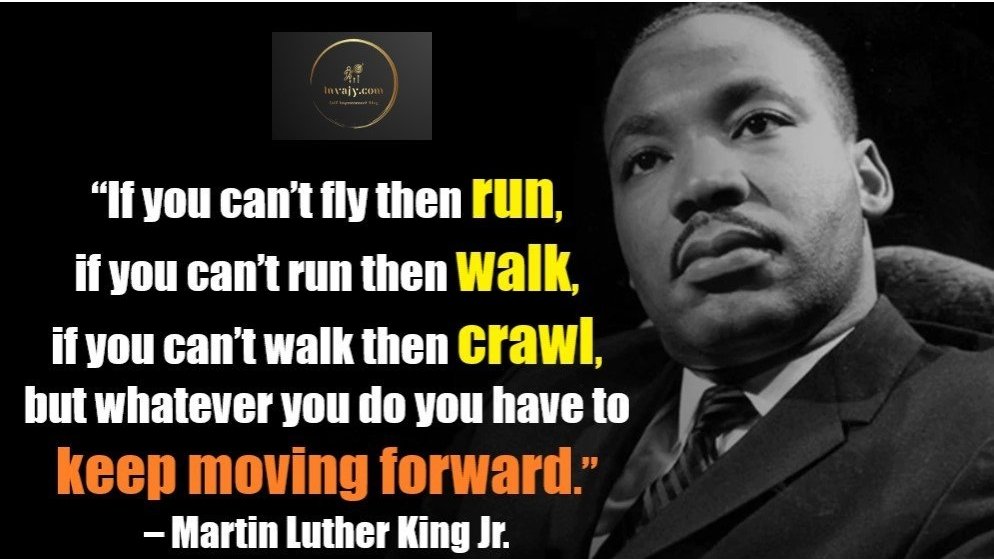
Martin Luther King Jr. was an artist because he didn’t merely inform; he transformed. His speeches, filled with poetic language, had a musicality to them. From his “I Have a Dream” speech to “I’ve Been to the Mountaintop,” the rhythm and tone of his voice drew people in, and his powerful lyrics—the words he chose—inspired action. King was a maestro, conducting an orchestra of emotions and thoughts, leading his listeners on a journey toward enlightenment and societal change.
The elements that go into effective preaching:
- Timing: Knowing when to pause, when to accelerate, and when to drive home a point.
- Rhythms: The rise and fall of speech, the crescendo and decrescendo that keep the listeners engaged.
- Tones: The emotional resonance in one’s voice that can evoke sorrow, joy, or introspection.
- Lyrics: The words chosen to convey the message, which must be memorable and impactful.
- Melody: The overarching theme that threads through the sermon, making it cohesive and engaging.
Why Preaching Is an Art
Preaching aims to engage both the mind and the heart, inspiring change and action. It’s not just what you say but how you say it that determines the impact of a sermon. It’s a performance aimed not at applause but at transformation.
And so, as an aspiring artist in the sphere of preaching, I continue to learn, knowing that the canvas of human consciousness requires the intricate strokes of wisdom, faith, and utterance, and not just the blunt tools of straightforward information.

 GPTs-and-Me