It’s fascinating how a reality TV show can reshape not just the lives of its contestants, but also the course of a nation. The Apprentice, which aired from 2004 to 2017, wasn’t just a hit television series—it was a training ground for Donald Trump’s foray into the world of politics. And what better producer to shape this than Mark Burnett, the mastermind behind some of the most compelling reality shows on television?
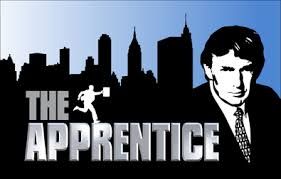
Mark Burnett’s formula for entertainment is simple yet powerful: high-stakes competition, memorable characters, and a narrative arc that hooks viewers from start to finish. From Survivor to The Voice to Shark Tank, Burnett knew how to keep audiences glued to their screens. And with The Apprentice, he found the perfect leading man in Donald Trump.
On The Apprentice, Trump was the epitome of success—a business mogul who played the part of a no-nonsense, decisive leader. Week after week, millions tuned in to watch him judge aspiring entrepreneurs, handing out praise and criticism with the same level of drama that you’d expect in a well-scripted soap opera. But unlike the contestants, who left the boardroom at the end of each episode, Trump’s role on the show would follow him long after the cameras stopped rolling.
So, what did Trump learn from Burnett? Quite a bit, it seems.
First, Trump mastered the art of branding. The Apprentice wasn’t just a show; it was a stage where Trump’s public persona was meticulously crafted and reinforced. The image of the tough, successful businessman who could make or break someone’s career with a single word—“You’re fired!”—became central to how the public viewed him. This image, carefully curated by Burnett, became the foundation of Trump’s political brand.
Then, there’s the lesson of narrative control. Reality TV, as Burnett knows all too well, is less about documenting real life and more about shaping a story that keeps viewers engaged. Trump learned how to control the narrative, both on-screen and off. In politics, this translated into an ability to dominate the news cycle, framing issues in a way that kept the spotlight squarely on him. Whether it was through provocative statements or polarizing actions, Trump ensured that he was always the story.
Conflict and drama are also cornerstones of Burnett’s reality TV formula. On The Apprentice, these elements were what kept audiences coming back each week, eager to see who would rise and who would fall. Trump carried this understanding into his political career, using conflict to energize his base and keep the media—and the public—focused on him. Whether he was sparring with political opponents, foreign leaders, or the media itself, Trump knew that conflict was a powerful tool for maintaining relevance.
And let’s not forget the power of audience engagement. Burnett’s shows often include interactive elements, like audience voting, which create a sense of involvement and investment. Trump’s use of social media, particularly Twitter, was an extension of this strategy. By speaking directly to his followers, bypassing traditional media filters, he created a direct line of communication that kept his base engaged and mobilized.
Finally, there’s the high-stakes presentation. On The Apprentice, every task, every decision felt like it carried the weight of the world. This sense of urgency and importance was something Trump brought to his political rhetoric. He often framed issues as existential crises, with him as the only person capable of resolving them. This narrative not only rallied his supporters but also heightened the sense of drama and tension that defined his presidency.
In many ways, Donald Trump’s political career can be seen as an extension of the lessons he learned from Mark Burnett and The Apprentice. The show wasn’t just a platform for Trump; it was a blueprint for how to navigate the world of politics with the same flair, drama, and control that makes reality TV so addictive. And just like in reality TV, where the lines between real life and scripted drama often blur, Trump’s journey from reality star to President blurred the lines between entertainment and governance in a way that the world had never seen before.
The mask of the actor, the mask of the politician—they’re not so different after all. And in the end, it’s the narrative you craft, the image you project, that shapes your legacy. Trump understood this, perhaps better than anyone.


 GPTs-and-Me