Raised in the Heart of Fundamentalism: Five Personal Revelations on its Psychological Impacts

Growing up in the world of Fundamentalist Christianity was a unique experience, to say the least. The world around me was painted in black and white, with clear delineations between what was righteous and what was not. While I deeply appreciate the structure and values it instilled in me, I can’t help but reflect on some of the less-discussed, psychological repercussions that come with such a staunch belief system.

Here are five personal revelations about the impact of fundamentalism on my psyche and those around me:

  1. Cognitive Dissonance: Fundamentalism is a world of absolutes. As I grew older and began to encounter different worldviews, I felt torn. My heart said one thing, but the teachings of my youth said another. This tug-of-war inside my mind often left me feeling lost and confused, always questioning where I truly belonged.
  2. Anxiety and Fear: I remember nights lying awake, petrified at the thought of eternal damnation or the impending apocalypse. The fear wasn’t just about the hereafter; it was also about the everyday things, like the movies I watched, the music I listened to, or the friends I made outside the church. Every step felt like a potential misstep, leading me away from salvation.
  3. Limited Critical Thinking: Questioning was akin to rebelling. I was taught to accept, not to inquire. While this made for a straightforward and clear-cut worldview, it also meant that I struggled with critical thinking. Everything was seen through a singular lens, leaving little room for nuance or individual thought.
  4. Social Isolation: One of the hardest parts was feeling out of place. Our strict belief system often distanced us from ‘outsiders,’ making it challenging to form genuine connections with those who didn’t share our faith. This meant missing out on countless friendships, experiences, and perspectives.
  5. Depression from Suppressed Self-expression: There were moments when I felt like a bird trapped in a cage. There were so many things I wanted to say, do, and experience. But the weight of doctrine often held me back, leading to bouts of sadness and a feeling of being ‘stuck’.

Yet, with time and reflection, I’ve learned that faith is personal. It’s a journey, not a destination. Today, I strive to strike a balance, cherishing the values that resonate with me while also being open to growth, understanding, and change. It’s essential for us all to remember that faith can be a beautiful guiding force, but it’s the love, compassion, and open-mindedness we show to ourselves and others that truly reflects its spirit.

Buy Me A Coffee

A Narrative of Gratitude: Luke 17:11-19

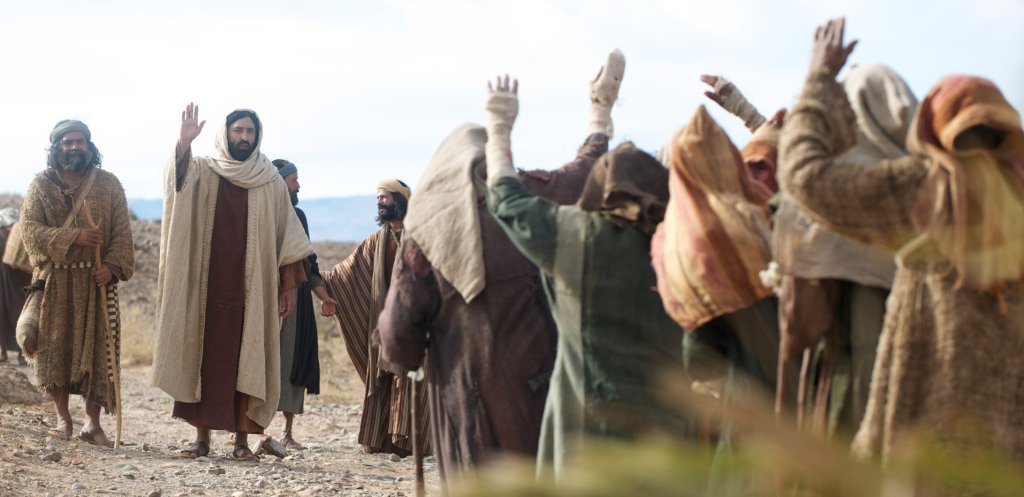
Here is a biblical commentary of the Gospel reading for the Second Sunday of October. The passage is Luke 17:11-19, per the Revised Common Lectionary, Year C. This passage describes the healing of ten lepers by Jesus, with only one returning to express gratitude.

Introduction

Luke 17:11-19 recounts Jesus healing ten lepers, with only one, a Samaritan, returning to give thanks. This passage elucidates themes of gratitude, mercy, faith, and the inclusion of the marginalized within the realm of divine grace.

Exegetical Analysis

Verse 11: Journey Through the Border

The passage begins with Jesus traveling “along the border between Samaria and Galilee.” This geographic detail is significant as it places Jesus at a crossroads between different cultural and religious groups, symbolizing his ministry’s inclusivity.

Verses 12-14: Cry for Mercy

The lepers “stood at a distance” adhering to cultural laws that marginalized and isolated them due to their condition. Their unified cry for mercy, “Jesus, Master, have pity on us!” reveals their faith in Jesus’ ability to heal, transcending societal divisions and pointing towards the universal need for divine intervention.

Verse 14: Healing on the Go

“As they went, they were cleansed.” The healing occurs as the lepers obediently follow Jesus’ directive to show themselves to the priests. Their faith actualizes healing, echoing the Lucan theme that salvation is accessible to those who respond affirmatively to Jesus’ call.

Verses 15-16: The Grateful Samaritan

Upon realizing his healing, the Samaritan glorifies God and returns to Jesus with gratitude, illustrating a transformative encounter with divine power. His actions contrast with the nine who don’t return, highlighting the significance of recognizing and responding to received grace.

Verse 17-19: Commendation and Salvation

Jesus’ rhetorical question accentuates the incongruity between the number healed and the number expressing gratitude. Notably, it is the Samaritan, a foreigner, who exemplifies proper response to divine grace, underscoring Luke’s recurring theme of the Gentiles’ inclusion in the salvation narrative.

Theological Implications

  • Gratitude as Response to Grace: The Samaritan’s thankful return exemplifies an appropriate, transformative response to God’s mercy, inviting readers to cultivate gratitude.
  • Faith and Healing: Healing is bestowed upon all ten lepers, regardless of their ethnic or religious identity, illuminating the universal accessibility and inclusivity of divine healing and grace.
  • Marginality and Recognition: The acknowledgment of the Samaritan’s faith invites a reassessment of societal marginalization and exclusion, challenging readers to perceive the divine image within every individual.

Conclusion

Luke 17:11-19 offers a rich narrative illustrating the intersection of gratitude, faith, healing, and inclusivity. The passage invites readers to reflect upon their response to divine grace and to recognize the worth and dignity of marginalized individuals within the community of faith. The silent nine lepers perhaps mirror those who receive grace but lack awareness or acknowledgment, while the Samaritan’s exuberant gratitude provides a model for Christian discipleship and witness.

Buy Me A Coffee